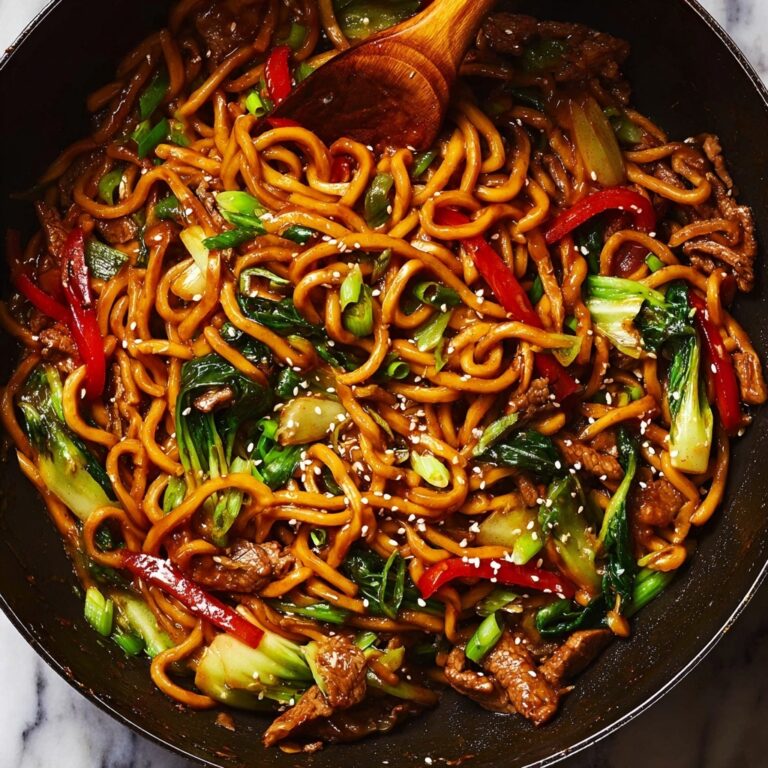
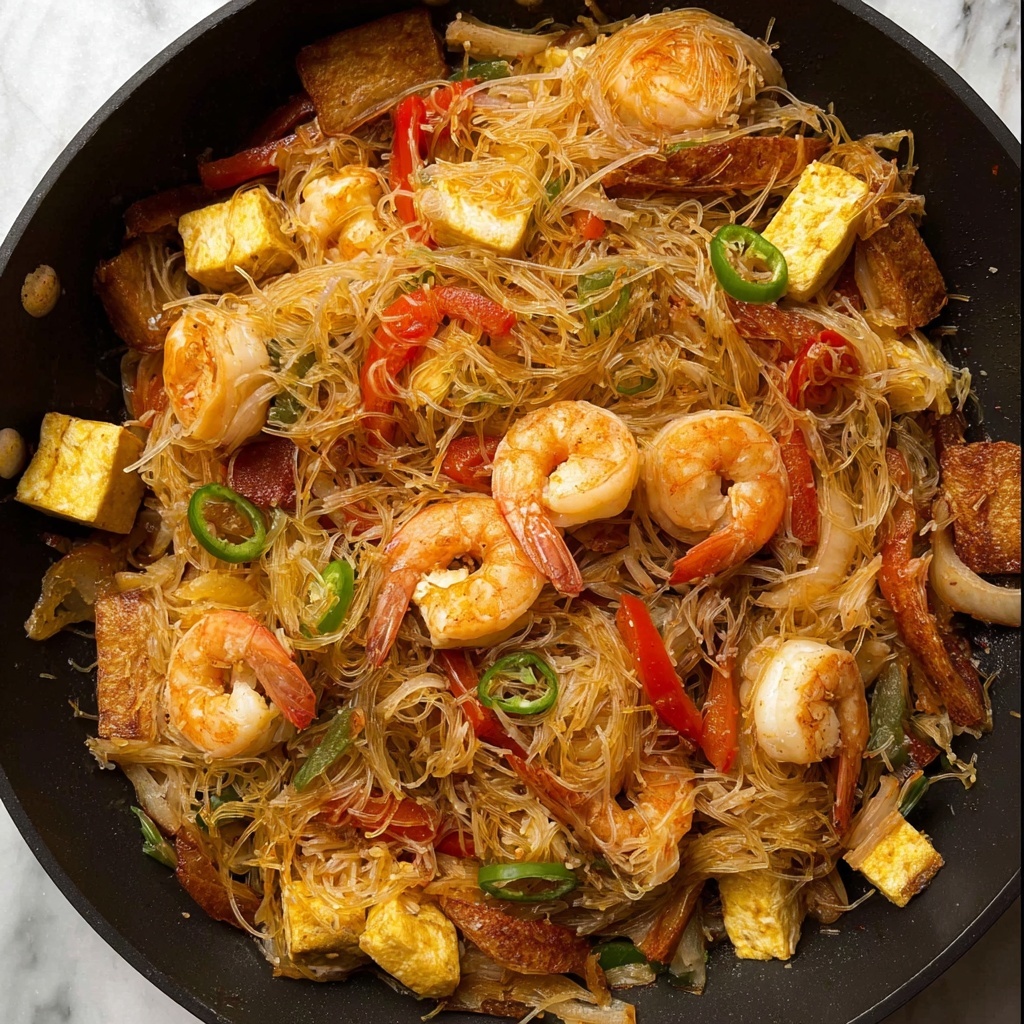
If you have a craving for something vibrant, flavorful, and utterly satisfying, look no further than this Singapore Noodles Recipe. Bursting with aromatic curry powder, tender shrimp, smoky Char Siu pork, and crisp vegetables, this dish combines a tapestry of tastes and textures that make every bite an absolute joy. It’s quick to prepare, colorful to serve, and one of those meals that feels special yet simple enough to whip up any night of the week. Trust me, once you try this Singapore Noodles Recipe, it’ll become a beloved staple in your cooking repertoire.
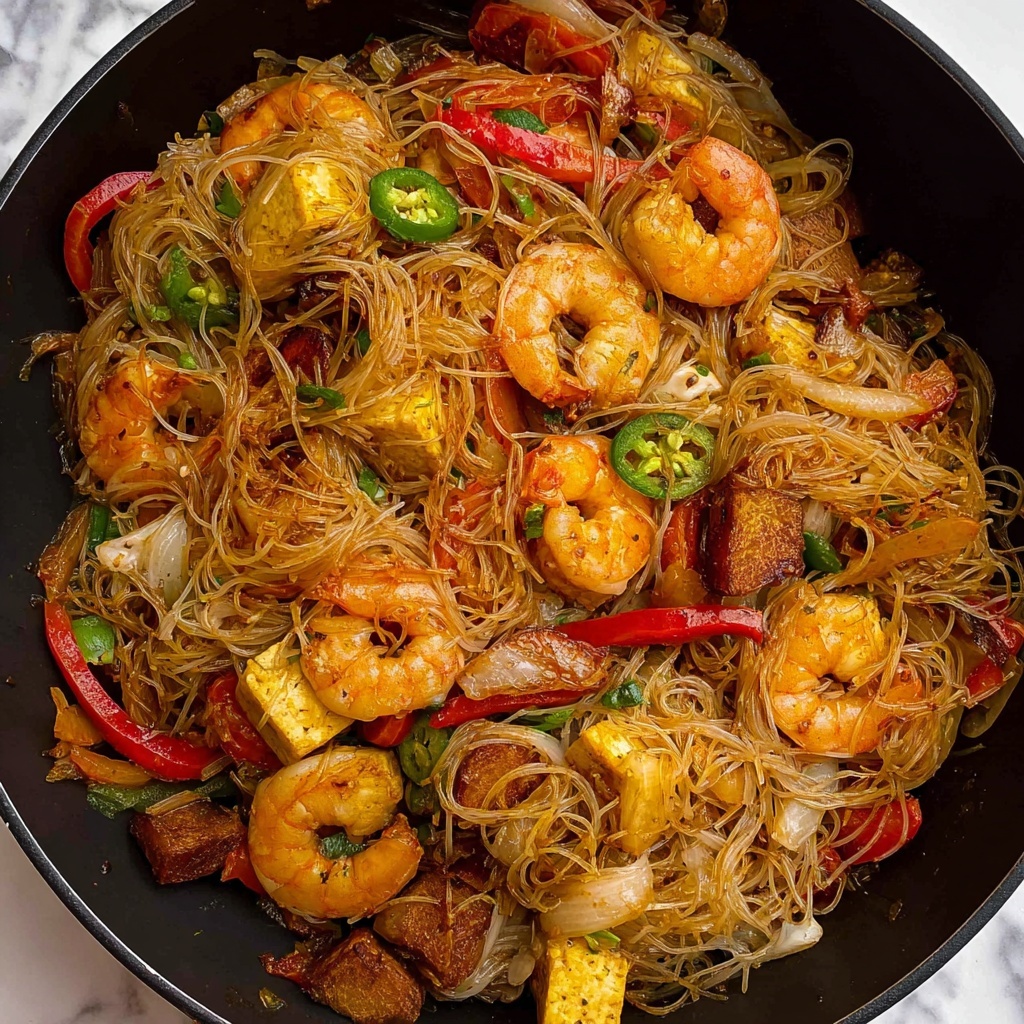
Ingredients You’ll Need
The beauty of this recipe lies in its straightforward ingredients, each adding a unique layer to the final dish. From the earthy notes of curry powder to the delicate chewiness of rice vermicelli and the fresh pop of bell peppers, these essentials work harmoniously to create the dish’s signature personality.
- Soy sauce: Provides the savory umami base that ties all flavors together seamlessly.
- Chinese cooking wine: Adds a subtle depth and authenticity that elevates the aroma and taste.
- Curry powder: The heart of the dish, lending warmth and a gentle kick depending on your choice of heat level.
- Sugar: Balances the spice and salty notes with a touch of sweetness.
- White pepper: Offers a mild heat and aromatic punch that black pepper doesn’t quite replicate.
- Dried rice vermicelli noodles: These light, thin noodles soak up the sauce perfectly without becoming mushy.
- Peanut oil: The ideal cooking oil for stir-frying, bringing a subtle nutty flavor and high smoke point.
- Shrimp/prawns: Tender and juicy, they add protein and a lovely texture contrast.
- Eggs: Form a delicate omelette that is sliced and mixed in to enhance both texture and taste.
- Onion: Thinly sliced to soften slightly and provide sweetness and texture.
- Garlic: Infuses the dish with its unmistakable fragrant foundation.
- Ginger: Freshly grated to add brightness and a little zing.
- Chinese barbecue pork (Char Siu): Rich, smoky, and slightly sweet, delivering traditional Cantonese flair.
- Red capsicum (bell pepper): Adds a pleasant crunch and vibrant color.
- Hot green pepper: Optional, but perfect for an added layer of spicy heat.
How to Make Singapore Noodles Recipe
Step 1: Prepare the Sauce
Begin by combining soy sauce, Chinese cooking wine, curry powder, sugar, and white pepper in a small bowl. This sauce is where the magic starts, marrying savory, spicy, and sweet notes to welcome the noodles and other ingredients. Having it ready upfront streamlines the cooking process and ensures every strand of noodle is wonderfully coated later.
Step 2: Soak the Noodles
Place the dried rice vermicelli noodles in a large bowl filled with boiling water. Let them soak according to package instructions until soft but not mushy. Then, drain thoroughly and set them aside. This soaking process is essential because it prepares the noodles to absorb all those flavorful sauces and keeps the texture just right.
Step 3: Cook the Shrimp
Heat one tablespoon of peanut oil in a wok or heavy-based frying pan over medium heat. Toss in the raw shrimp or prawns and cook for 2 to 3 minutes until just cooked through and pink. Remove the shrimp and set them aside to prevent overcooking. This step ensures your shrimp stay tender and juicy for the final dish.
Step 4: Make the Egg Omelette
Into the same pan, pour beaten eggs and swirl to create a thin omelette layer. Once it sets, carefully roll it up and remove it from the wok. Slice this rolled omelette and keep it ready for mixing later. This adds a lovely soft texture and subtle richness to the noodles.
Step 5: Sauté Aromatics
Add the remaining tablespoon of oil back to the pan, then toss in minced garlic, freshly grated ginger, and thinly sliced onion. Cook them for about 2 minutes until the onions soften. This fragrant base infuses the dish with complexity and invites your mouth to expect something special.
Step 6: Add the Bell Pepper
Throw in the red capsicum and sauté for a further minute. This quick stir-fry keeps the vegetables bright and crisp, adding a beautiful pop of color and a fresh crunch to every bite.
Step 7: Combine Everything with Noodles and Sauce
Next, add the soaked noodles and the prepared sauce into the wok. Toss everything gently to allow the sauce to evenly coat all the ingredients. Then, fold in the sliced egg omelette, Chinese barbecue pork, cooked shrimp, and any hot green peppers if using. Stir until all elements are hot and harmoniously mixed, about 1 to 2 minutes. This final stir-fry step brings all the flavors together, creating the iconic Singapore Noodles dish.
Step 8: Serve Immediately
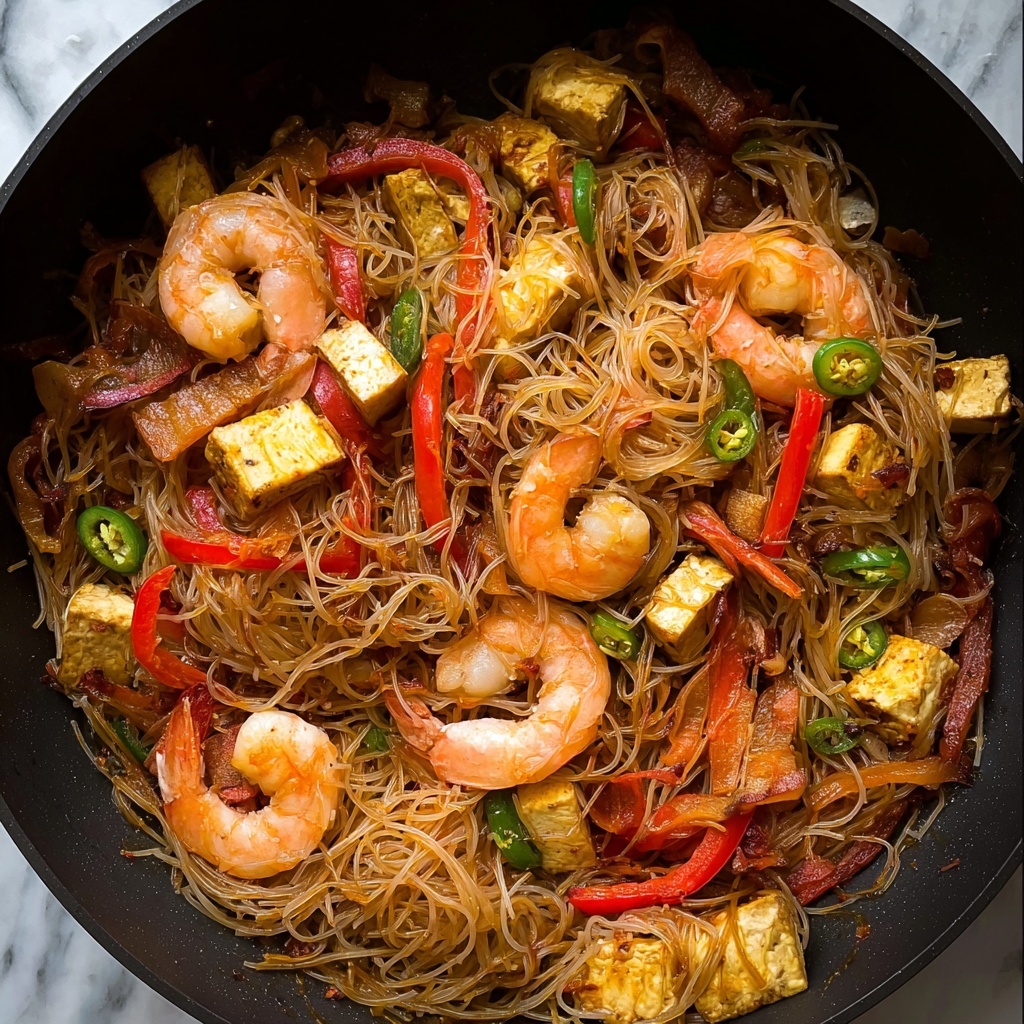
Once the noodles are beautifully coated and steaming hot, it’s time to serve. The combination of textures, aromas, and colors here is irresistible, promising a meal full of satisfaction.
How to Serve Singapore Noodles Recipe
Garnishes
A sprinkle of freshly chopped spring onions or cilantro adds a burst of fresh color and brightness that balances the spices. For a little extra crunch, roasted peanuts or sesame seeds work wonderfully. A wedge of lime on the side offers zingy acidity that lifts the dish beautifully.
Side Dishes
Pair your Singapore Noodles with simple sides like steamed or stir-fried greens, such as bok choy or Chinese broccoli, to add a refreshing, healthy contrast. A light cucumber salad or pickled vegetables can also complement this dish by cutting through the richness with a crisp bite.
Creative Ways to Present
For a fun twist, serve your Singapore Noodles in small individual bamboo steamers or mini bowls for a party. Garnish each with a sprig of fresh herbs and a slice of chili for pops of color. You can also plate it alongside crispy prawn crackers or folded into lettuce wraps for some playful texture variety.
Make Ahead and Storage
Storing Leftovers
If you happen to have leftovers (they can be hard to resist!), store them in an airtight container and refrigerate for up to 2 days. The flavors meld well overnight, and a quick reheat is all you need to bring it back to life.
Freezing
I generally recommend enjoying Singapore Noodles fresh, but if you want to freeze, place the cooled noodles in a freezer-safe container and freeze for up to a month. Keep in mind the texture of the noodles may soften slightly upon thawing.
Reheating
For the best results, reheat leftovers in a hot pan with a splash of oil or water to loosen the noodles, stirring frequently until heated through. Avoid microwaving to prevent sogginess. This method keeps the dish flavorful and the noodles perfectly textured.
FAQs
Can I make Singapore Noodles without shrimp?
Absolutely! You can substitute shrimp with chicken, tofu, or even thinly sliced beef for a different protein twist. The dish is versatile and welcomes your favorite ingredients.
Is Singapore Noodles actually from Singapore?
Interestingly, this dish is more popular in Western Chinese restaurants than in Singapore itself. It’s a fusion creation inspired by Cantonese cooking, featuring curry spices and rice noodles that naturally appeal to many palates.
Can I use black pepper instead of white pepper?
Yes, black pepper is a fine alternative if you don’t have white pepper on hand. Just expect a slightly different aroma and a bit more pungency in the dish.
What type of curry powder should I use?
Both hot and mild curry powders work well; just adjust the quantity based on your heat preference. Using a good quality curry powder will bring out the signature vibrant flavor of the dish.
Can this recipe be made vegetarian?
Definitely. Skip the shrimp and Char Siu pork, and use extra vegetables like mushrooms, tofu, or tempeh instead. Just be sure to use vegetarian soy sauce or tamari to keep it fully plant-based.
Final Thoughts
This Singapore Noodles Recipe is a true celebration of bold flavors and inviting textures that makes weeknight dinners exciting and satisfying. Whether you’re cooking for family or impressing friends, it’s a fabulous dish that delivers authentic taste with ease. I encourage you to dive in and make it your own — once you do, I’m sure it will become a favorite to return to time and time again.