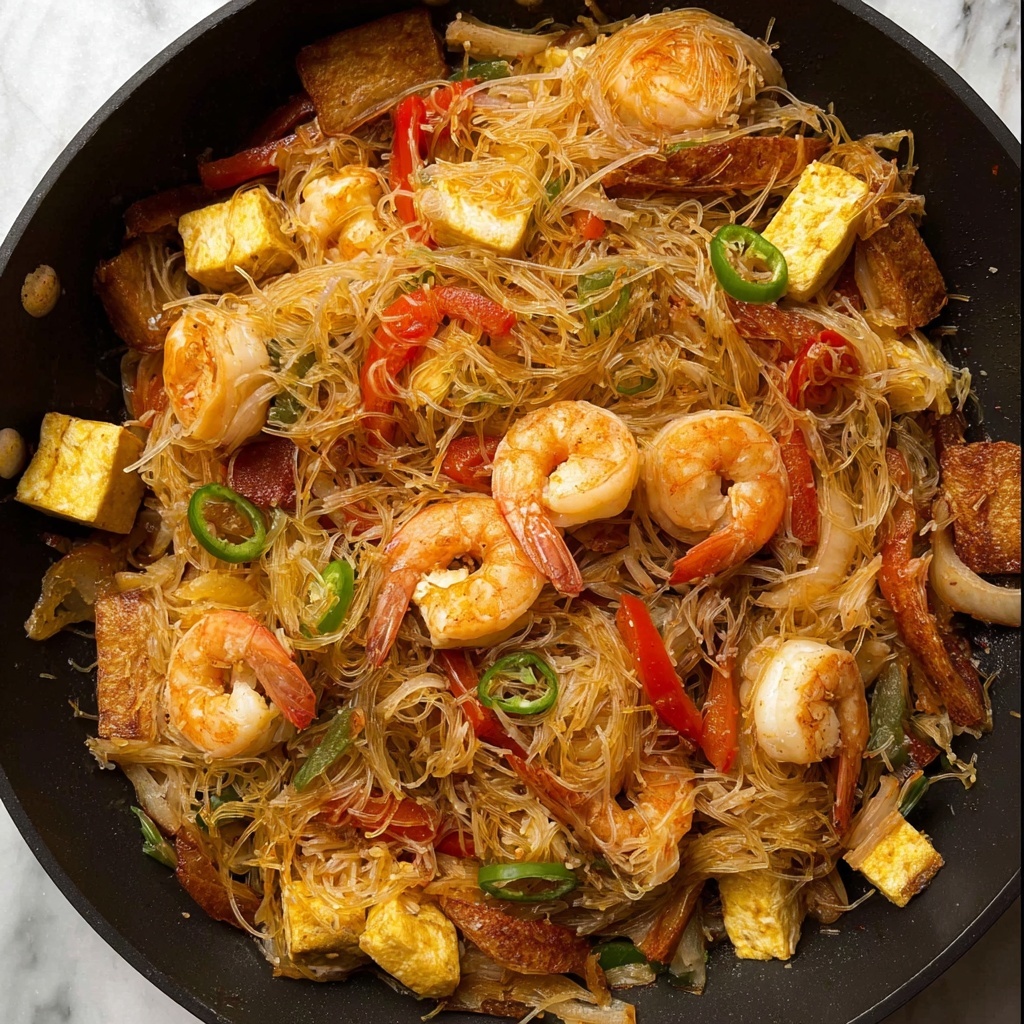
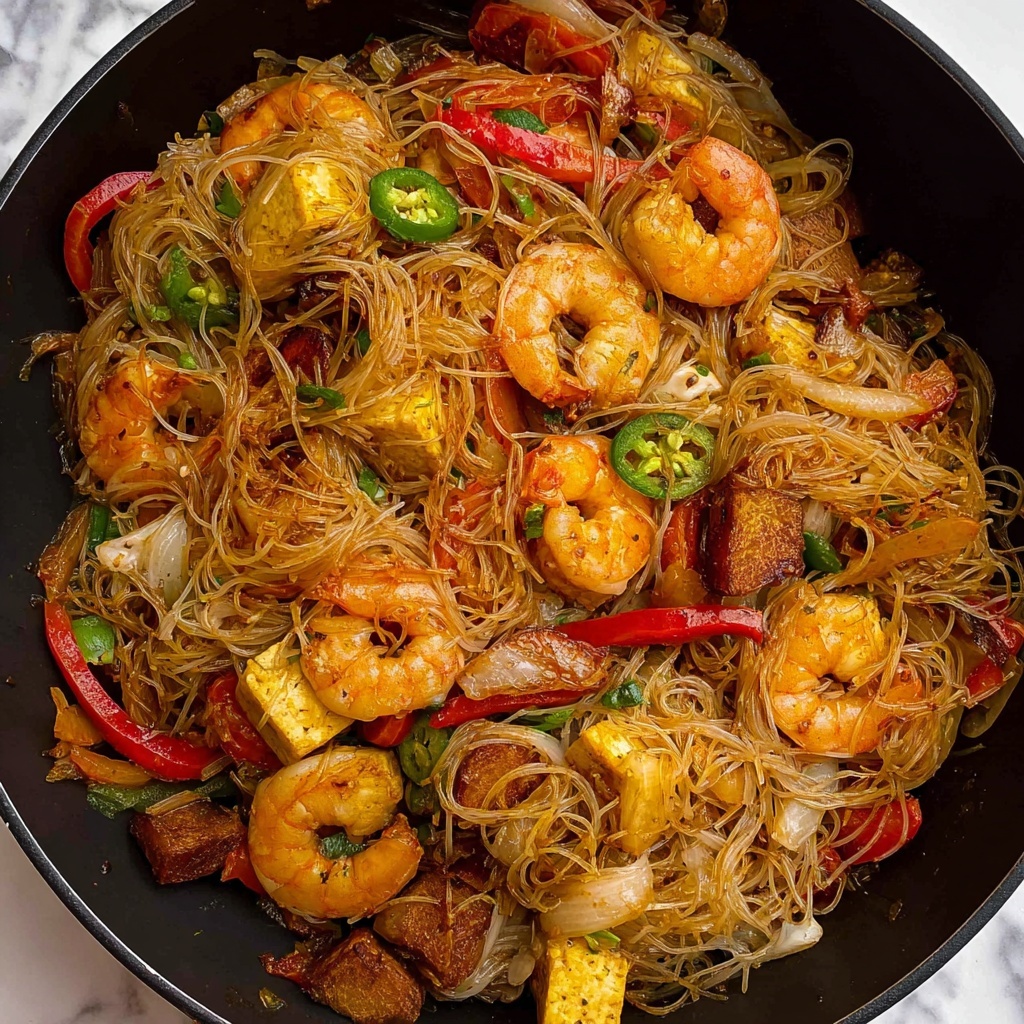
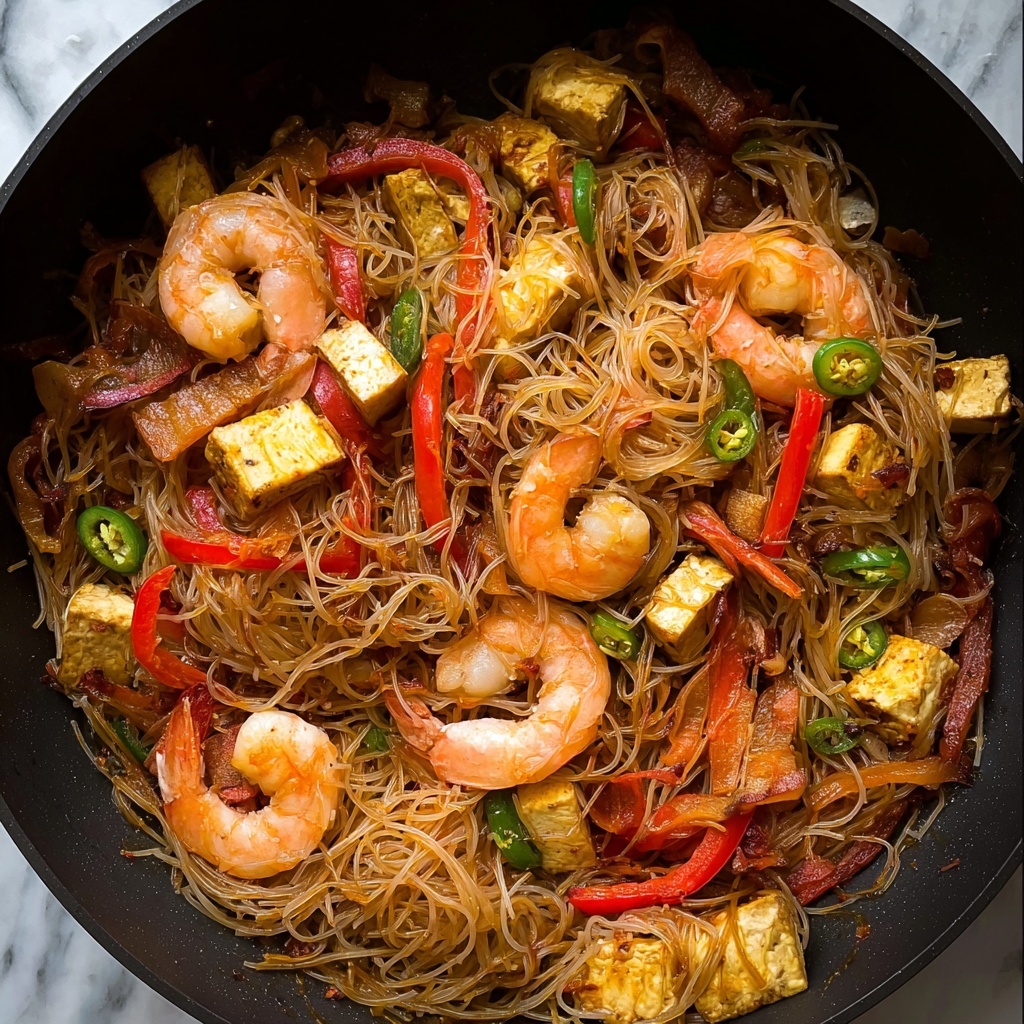
If you’re craving a vibrant and flavorful dish that bursts with color, texture, and that unmistakable curry twist, the Singapore Noodles Recipe is an absolute must-try. This stir-fried noodle sensation combines aromatic curry powder, succulent shrimp, tender Char Siu pork, and crisp vegetables all tossed together in perfectly cooked rice vermicelli. Whether you’re new to Asian cooking or a seasoned fan, this recipe offers a wonderfully simple yet exciting plate that delivers restaurant-quality satisfaction right at home.
Ingredients You’ll Need
Gathering these ingredients is straightforward, but each plays a pivotal role in delivering the authentic taste, satisfying texture, and eye-catching appearance of this dish. From the spices that bring warmth to the fresh vegetables that add crunch, everything comes together seamlessly.
- Soy sauce: Provides the savory umami base that ties the flavors together perfectly.
- Chinese cooking wine: Adds subtle depth and complexity to the sauce.
- Curry powder: The star spice giving that signature punch and fragrant aroma.
- Sugar: Balances the savory and spicy notes with a touch of sweetness.
- White pepper: Adds gentle heat without overpowering the curry flavor.
- Dried rice vermicelli noodles: Soaks up the flavors while maintaining a delicate texture.
- Peanut oil: Ideal for stir-frying due to its high smoke point and mild taste.
- Shrimp/prawns: Adds sweet, tender seafood goodness.
- Eggs: Create texture and protein with a silky omelette that mingles with the noodles.
- Onion: Brings sweetness and a slight bite when cooked just right.
- Garlic: Offers that essential punch of aromatic flavor.
- Ginger: Delivers a fresh zing that lifts the entire dish.
- Chinese barbecue pork (Char Siu): Infuses smoky, sweet notes and chewy richness.
- Red capsicum/bell pepper: Adds vibrant color and a crisp texture.
- Hot green pepper (optional): For those who love an extra kick of heat.
How to Make Singapore Noodles Recipe
Step 1: Make the Sauce
Begin by mixing the soy sauce, Chinese cooking wine, curry powder, sugar, and white pepper in a small bowl. This simple sauce blend forms the flavorful backbone of your Singapore Noodles Recipe, perfectly balancing savory, spicy, and sweet notes.
Step 2: Prepare the Noodles
Soak the dried rice vermicelli noodles in boiling water until they’re tender but still springy, following the packet instructions. Draining them thoroughly ensures they won’t become mushy when stir-fried later.
Step 3: Cook the Shrimp
Heat half the peanut oil in a wok or heavy skillet over medium heat, then add the shrimp. Cook them just until they turn pink and are firm—around 2 to 3 minutes—then remove and set aside. This keeps the shrimp juicy and prevents overcooking.
Step 4: Make the Egg Omelette
Add the beaten eggs to the wok, spreading them thinly to create a delicate omelette. Once set, roll it up in the pan, remove, and slice into thin strips. These egg ribbons add a wonderful silkiness and additional protein to your noodles.
Step 5: Sauté the Aromatics and Vegetables
Return the wok to the heat and add the remaining peanut oil. Toss in the garlic, grated ginger, and sliced onion, cooking for about 2 minutes until fragrant and the onions soften. Follow with the red capsicum and stir for another minute to retain its crispness and vibrant color.
Step 6: Combine Everything Together
Add the drained rice vermicelli and sauce mixture to the wok, tossing everything well to coat the noodles evenly. Then introduce the sliced omelette, Char Siu pork, cooked shrimp, and optional hot green chili peppers. Stir-fry gently for 1 to 2 minutes to meld all the flavors and warm the ingredients through thoroughly.
Step 7: Serve Immediately
Your Singapore Noodles Recipe is ready to delight! Serve it hot right out of the wok to enjoy the freshest textures and boldest flavors.
How to Serve Singapore Noodles Recipe
Garnishes
Brighten your plate with chopped spring onions or fresh coriander to add freshness and a pop of green. A squeeze of lime can provide a zesty contrast that enhances the curry’s warmth beautifully.
Side Dishes
This dish stands wonderfully well on its own, but pairing it with light sides like a crisp cucumber salad or steamed greens adds balance and variety. A simple miso soup could complement the flavors without overwhelming your palate.
Creative Ways to Present
For a fun twist, serve your Singapore Noodles Recipe in individual pineapple bowls or lettuce cups to make it feel extra special. You could also top with crushed peanuts for an unexpected crunchy texture that adds a delightful surprise.
Make Ahead and Storage
Storing Leftovers
Keep any leftovers in an airtight container in the refrigerator for up to 2 days. The flavors will continue to develop, but consider adding a splash of water or oil when reheating to refresh the noodles’ texture.
Freezing
While Singapore noodles are best enjoyed fresh, you can freeze leftovers in a sealed container for up to a month. Reheat gently and stir well to revive the dish, though the vegetables might soften further upon thawing.
Reheating
The key to reheating is gentle heat. Use a wok or skillet over medium heat with a little oil, tossing frequently to prevent sticking and to warm everything evenly. Avoid microwaving if you want to preserve the best texture and flavor.
FAQs
Can I use other proteins instead of shrimp and pork?
Absolutely! Chicken, tofu, or even beef strips make great alternatives. Just adjust cooking times accordingly to ensure everything is cooked perfectly.
Is the curry powder spicy?
The heat level depends on the curry powder you choose. If you prefer milder flavors, opt for a regular curry powder. For a spicier kick, try using a hot curry powder or add extra sliced chilies.
Are rice vermicelli noodles gluten-free?
Yes, rice vermicelli noodles are typically made from rice flour and are naturally gluten-free, making this Singapore Noodles Recipe a good option for those avoiding gluten.
Can this dish be made vegetarian?
Definitely! Simply omit the shrimp and Char Siu pork, and consider adding extra vegetables or firm tofu to maintain protein and texture.
Why soak the noodles instead of boiling them?
Soaking rice vermicelli in boiling water softens them without overcooking or breaking, which maintains their delicate texture crucial for this dish.
Final Thoughts
This Singapore Noodles Recipe is a joyous celebration of flavors and textures that’s surprisingly easy to prepare. Whipping it up is like inviting a little burst of Asia into your kitchen, and sharing it with friends or family makes it all the more special. Give it a go—you’ll be hooked on its vibrant taste and simple charm in no time!