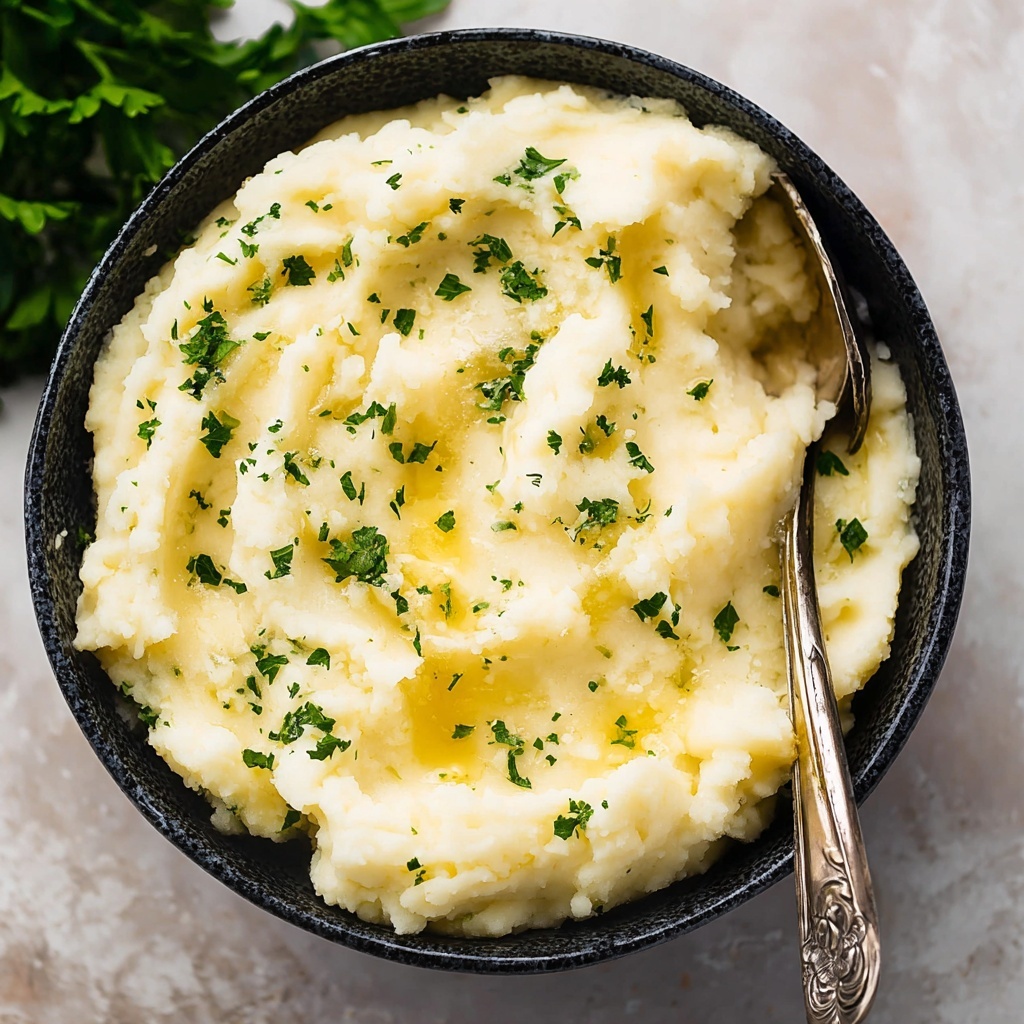
If you’ve ever wanted to create the ultimate comfort food that feels like a warm hug on a plate, then this Homemade Mashed Potatoes Recipe is exactly what you need. Creamy, fluffy, and perfectly seasoned, these mashed potatoes bring out the best of starchy potatoes combined with a touch of nutmeg and rich butter. Whether it’s a cozy family dinner or a holiday feast, this recipe delivers pure spoonfuls of joy that everyone will love.
Ingredients You’ll Need
Believe it or not, the magic of this dish lies in its simplicity. Each ingredient plays a crucial role in creating that smooth texture and comforting flavor we crave from mashed potatoes.
- 2 pounds starchy potatoes (Russet or Yukon Gold): These varieties provide the perfect balance of fluffiness and creaminess once mashed.
- 1/2 cup milk: Warming the milk before adding helps keep the potatoes silky and smooth without cooling them down.
- 4 tablespoons butter: Butter adds richness and that melt-in-your-mouth quality you just can’t resist.
- 1/8 teaspoon ground nutmeg: A subtle hint of nutmeg elevates the flavor, adding warmth and depth without overpowering.
- 1/2 teaspoon salt (plus extra for boiling): Salt is essential here, enhancing every ingredient’s natural taste and seasoning the potatoes from the inside out.
How to Make Homemade Mashed Potatoes Recipe
Step 1: Cook the Potatoes
Start by placing your peeled and chunked potatoes in a large pot, covering them completely with cold water. Bring this to a boil, adding a generous pinch of salt to the water. The salt seasons the potatoes as they cook, ensuring every bite is flavorful. Once boiling, reduce to a simmer and cook until fork tender—this usually takes between 12 and 15 minutes. Perfectly cooked potatoes are the foundation of truly smooth mash!
Step 2: Heat the Milk Mixture
While the potatoes are cooking, combine the milk, butter, salt, and ground nutmeg in a small saucepan over gentle heat. Warm this mixture just until it’s steaming—avoid a boil to preserve the creaminess and flavor of the butter and milk. Whisk it well so everything blends smoothly, preparing it to marry beautifully with your potatoes.
Step 3: Drain and Dry the Potatoes
Once your potatoes are tender, drain them thoroughly. To avoid watery mashed potatoes, it’s important to dry them out a bit. Place the drained potatoes back into the warm pot over the lowest heat. Keep the pot uncovered and gently shake or stir every 5 to 10 seconds for about 30 to 60 seconds. This little trick evaporates any lingering moisture without cooking them further. If you prefer, letting the potatoes sit in a colander for a couple of minutes works too, but don’t wait longer to keep them warm and ready for mashing.
Step 4: Mash and Add Milk Mixture
With a trusty potato masher, start breaking down your potatoes until they reach a fluffy texture. Pour in half of your warm milk mixture and fold it in gently. Add the remaining milk gradually, watching closely to keep the texture rich but never runny. Too much liquid can turn your perfect mash into something soupy, so it’s all about that delicate balance. This step is where your potatoes transform into that luscious side we all crave.
Step 5: Serve Immediately
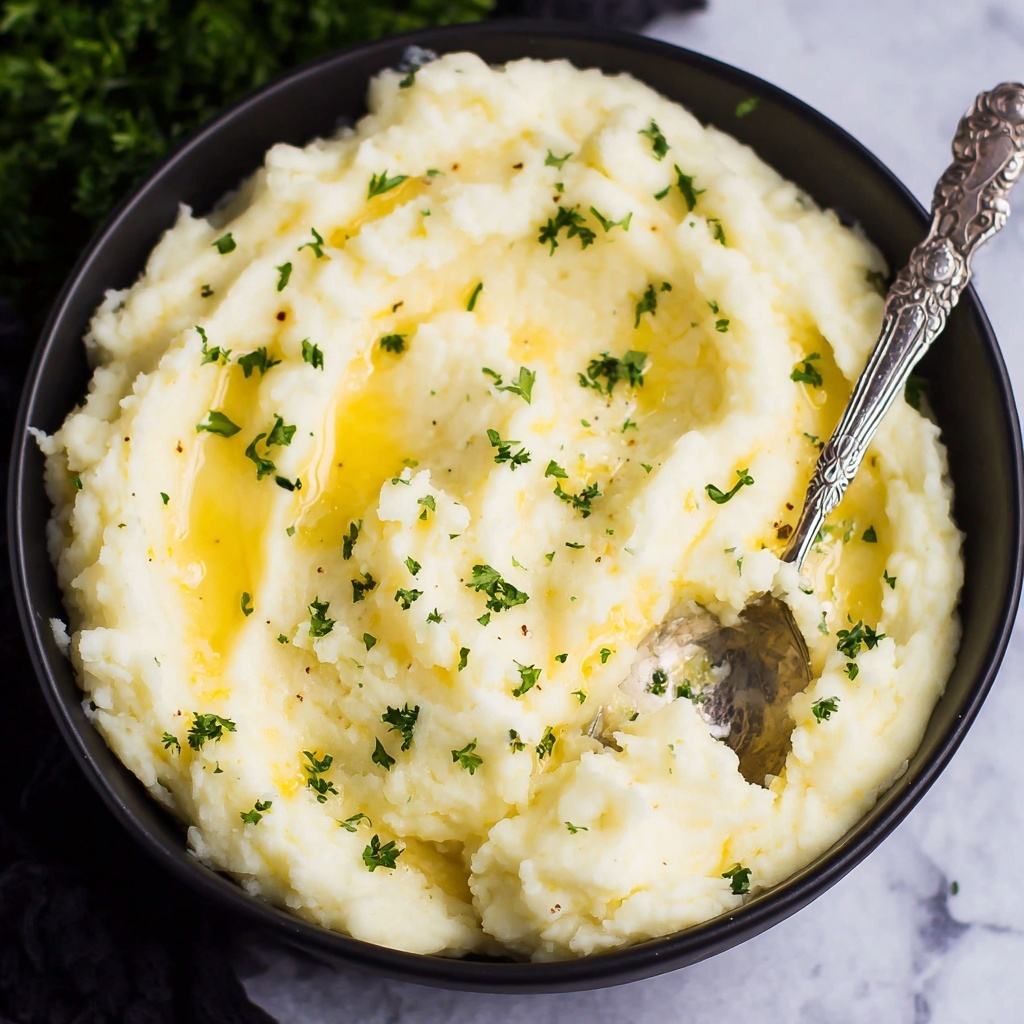
Finish off with a few pats of butter melting on top and a sprinkle of fresh herbs like parsley or chives if you like a touch of green and freshness. Serve these heavenly mashed potatoes right away for the best experience—warm, creamy, and utterly satisfying.
How to Serve Homemade Mashed Potatoes Recipe
Garnishes
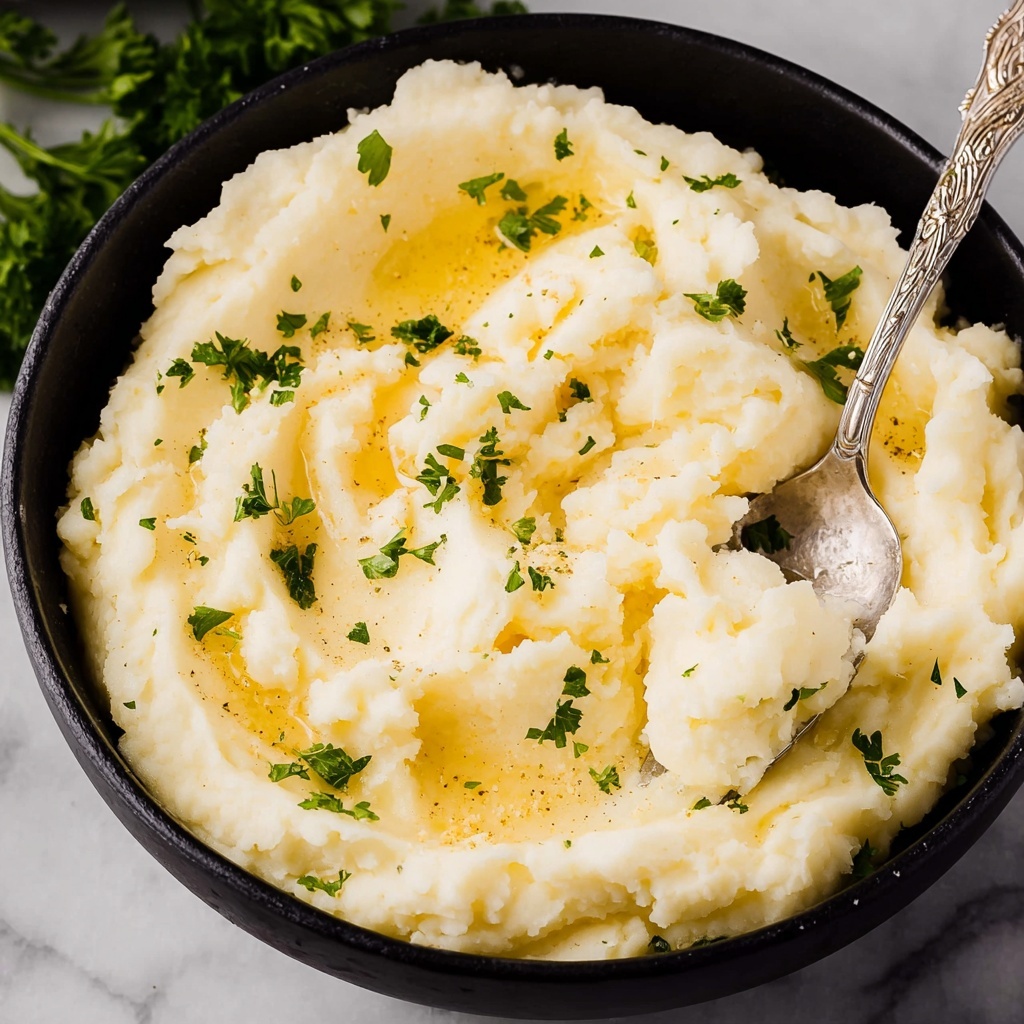
Adding a little fresh herb like chopped parsley, chives, or even a sprinkle of cracked black pepper makes your mashed potatoes pop visually and flavor-wise. A small dollop of sour cream or a drizzle of browned butter can also take your presentation and taste to the next level, making the dish feel extra special.
Side Dishes
Mashed potatoes pair wonderfully with so many dishes. Think savory roast chicken, melt-in-your-mouth pot roast, or even a hearty vegetarian mushroom gravy. Don’t forget green beans or roasted Brussels sprouts to add color and a bit of crunch that contrasts beautifully with the softness of the potatoes.
Creative Ways to Present
Try piping your mashed potatoes onto a baking sheet and broiling them for a golden crust on top or stuffing them inside baked potato skins with cheese and bacon for a fun twist. Another charming way is to swirl them around a serving plate and drizzle with garlic butter—simple touches that transform an everyday side into a feast centerpiece.
Make Ahead and Storage
Storing Leftovers
If you end up with leftovers from your homemade mashed potatoes recipe, store them in an airtight container in the refrigerator. They will keep well for up to 3 days. Make sure to cool them somewhat before sealing to keep the moisture level just right.
Freezing
Freezing mashed potatoes is absolutely possible but should be done with care. Pack your cooled mashed potatoes into freezer-safe containers or bags, removing as much air as possible. They’ll maintain good quality for up to 2 months. When you’re ready to enjoy them again, thaw overnight in the fridge before reheating.
Reheating
To bring your mashed potatoes back to life, reheat slowly on the stovetop over low heat or in the microwave. Stir frequently and add a splash of milk or butter to rejuvenate that silky texture. Avoid rushing this step to keep the creaminess intact and avoid any clumping or drying out.
FAQs
Can I use other types of potatoes for this recipe?
While Russet and Yukon Gold are the best for fluffy, creamy mashed potatoes thanks to their starch content, you can use other types—but expect a slightly different texture. Waxy potatoes like red or new potatoes tend to be firmer and less fluffy.
Why is it important to warm the milk and butter?
Adding warm milk and butter prevents the potatoes from cooling down and helps create a smoother, creamier texture when mixed in. Cold ingredients can make your mash lumpy or gluey.
How do I prevent mashed potatoes from becoming gluey?
Overworking the potatoes or using a blender/food processor can release too much starch, leading to a gluey texture. Stick to a potato masher and mix gently only until smooth combined for the best results.
Can I make this recipe dairy-free?
Absolutely! You can swap milk with dairy-free alternatives like almond or oat milk and replace butter with vegan butter or olive oil. The texture and flavor will be slightly different but still delicious.
What’s the best way to reheat mashed potatoes without drying them out?
Slow reheating with some added moisture—like a splash of milk or a little butter—helps keep them creamy. Stir often and avoid high heat to prevent drying or burning.
Final Thoughts
There’s something truly special about making mashed potatoes from scratch, and this Homemade Mashed Potatoes Recipe captures that magic perfectly. It’s a simple recipe with straightforward ingredients that yield incredibly comforting results every single time. Whether it’s a festive dinner or a casual family meal, giving this recipe a try will reward you with creamy, dreamy mashed potatoes that feel like home on a plate. I can’t wait for you to enjoy this much-loved classic!
Print
Homemade Mashed Potatoes Recipe
- Prep Time: 10 minutes
- Cook Time: 15 minutes
- Total Time: 25 minutes
- Yield: 6 servings
- Category: Side Dish
- Method: Stovetop
- Cuisine: American
- Diet: Vegetarian
Description
This homemade mashed potatoes recipe creates a creamy, comforting side dish perfect for any meal. Made with starchy Russet or Yukon Gold potatoes and enriched with a buttery milk mixture seasoned with nutmeg and salt, these mashed potatoes are fluffy and flavorful. This easy-to-follow recipe ensures a smooth, indulgent texture without becoming watery, ideal for family dinners or holiday feasts.
Ingredients
Potatoes
- 2 pounds starchy potatoes (Russet or Yukon Gold), peeled and cut into chunks
Milk Mixture
- 1/2 cup milk
- 4 tablespoons butter
- 1/2 teaspoon salt
- 1/8 teaspoon ground nutmeg
Additional
- Salt for cooking potatoes
- Optional: Additional butter, fresh parsley or chives for garnish
Instructions
- Cook the Potatoes: Place the peeled and chunked potatoes in a large pot and cover them with cold water. Bring the water to a boil over high heat, adding a generous amount of salt to season. Once boiling, reduce the heat to a simmer and cook the potatoes until they are tender when pierced with a fork, about 12 to 15 minutes.
- Heat the Milk Mixture: While the potatoes cook, combine the milk, butter, salt, and ground nutmeg in a small saucepan. Warm the mixture gently over low heat until it is steaming, then whisk it well to blend all ingredients smoothly.
- Drain the Potatoes: When the potatoes are fork-tender, drain them thoroughly. Return the drained potatoes to the empty pot and place it over the lowest heat setting. Leave the pot uncovered and shake it every 5 to 10 seconds for 30 to 60 seconds to evaporate excess moisture, ensuring the potatoes become dry but not burnt. Alternatively, drain and let them sit in the colander for 2 minutes, but avoid letting them cool more to maintain optimal texture for mashing.
- Mash the Potatoes: Use a potato masher to mash the hot, dry potatoes directly in the pot. Begin adding half of the warm milk and butter mixture while mashing, then gradually add more as needed until the desired creamy consistency is reached. Take care not to add too much liquid to prevent the mashed potatoes from becoming soupy.
- Serve: Transfer the mashed potatoes to a serving dish. Dot the top with additional butter for extra richness and sprinkle with fresh parsley or chives if desired. Serve immediately for the best flavor and texture.
Notes
- Use starchy potatoes like Russet or Yukon Gold for the best fluffy texture.
- Heating the milk and butter mixture before adding ensures better absorption and creaminess.
- Drying the potatoes after draining prevents watery mashed potatoes.
- Adjust the amount of milk mixture carefully to avoid overly runny potatoes.
- Serve immediately to enjoy optimal texture and flavor.