
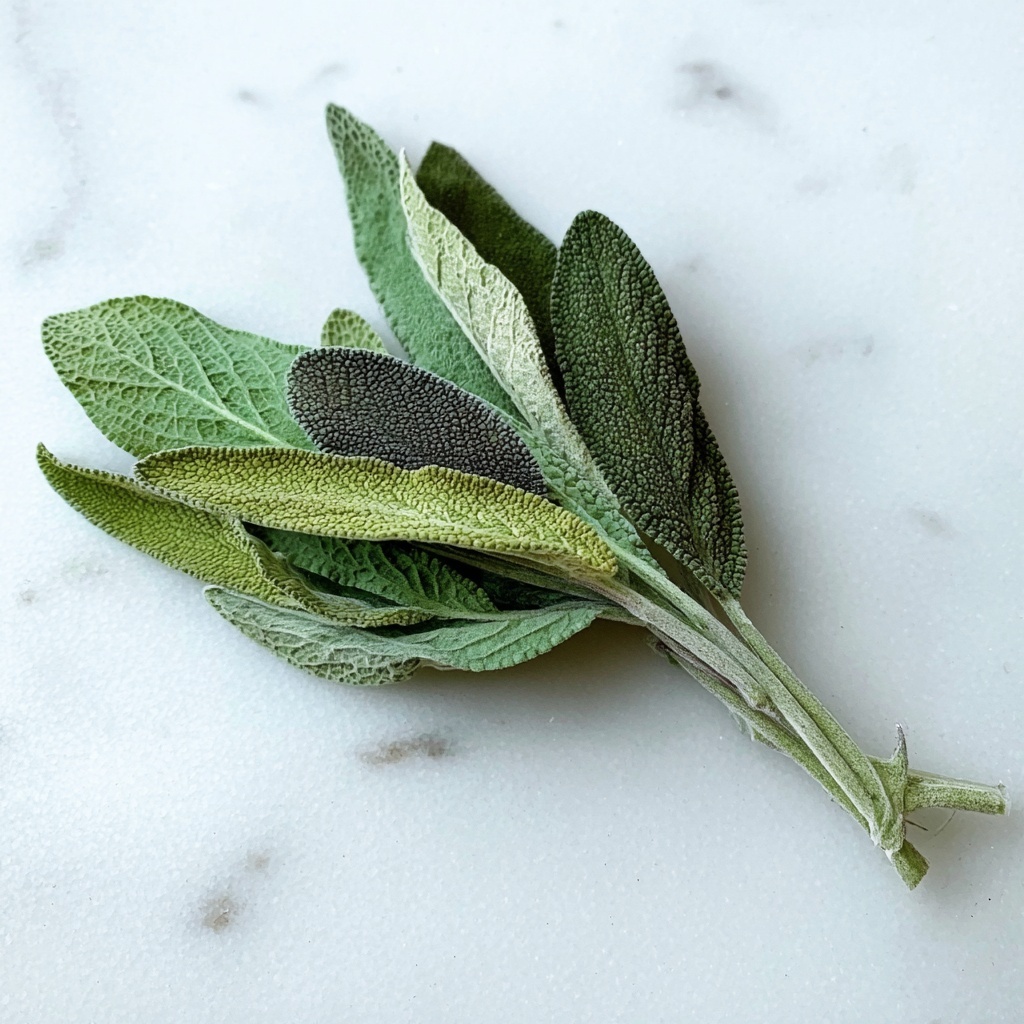
If you love adding a touch of fresh, herbal flavor with a delightful crunch, then this Crispy Sage Leaves Recipe is an absolute must-try. Transforming simple sage leaves into golden, crispy morsels is surprisingly quick and rewarding, bringing both aroma and texture that can elevate everything from salads to pastas, or even act as a charming garnish. This easy recipe captures the essence of sage in a whole new way, making it a secret weapon for home cooks craving that perfect combination of crispy texture and savory herbaceousness.
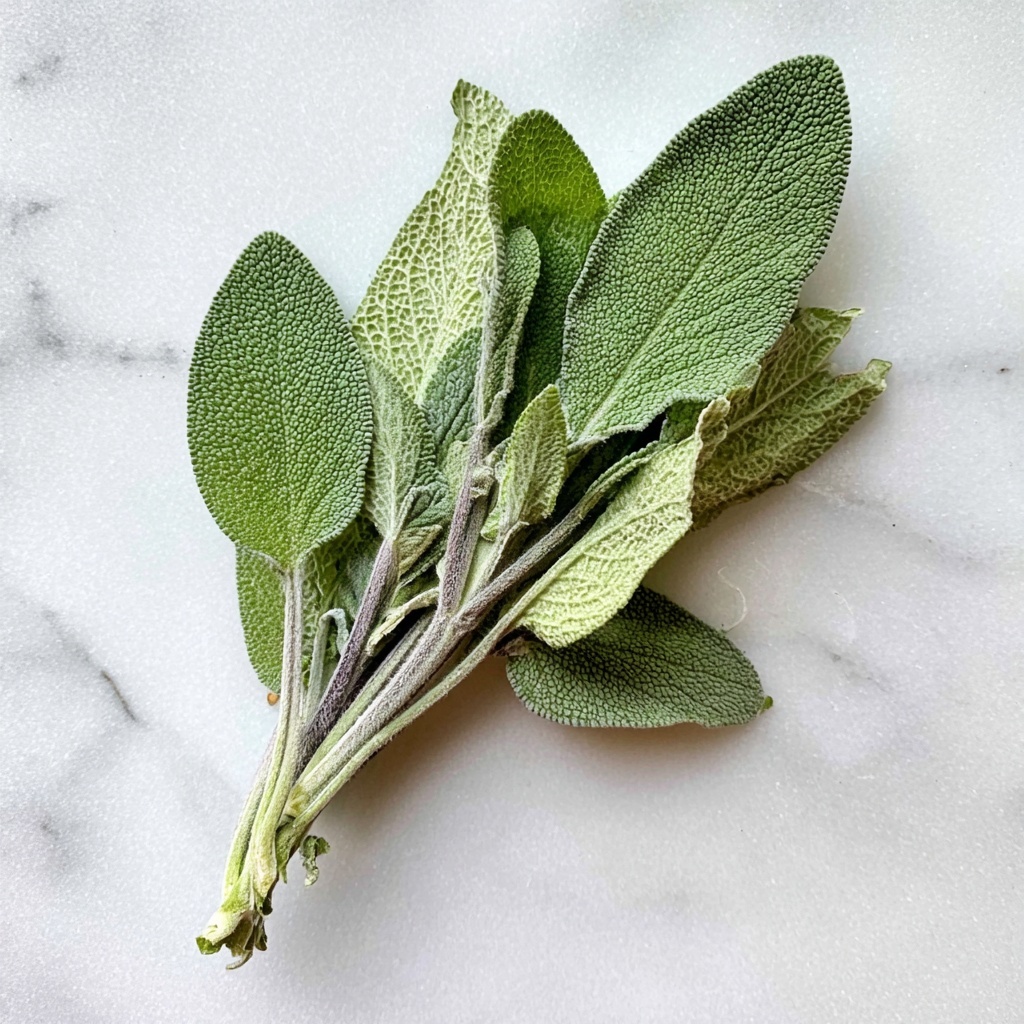
Ingredients You’ll Need
Getting started with this Crispy Sage Leaves Recipe is a breeze, thanks to the minimal and straightforward ingredients that focus on quality and simplicity. Each ingredient plays a crucial role in achieving that perfect crisp and enhancing the sage’s natural earthiness.
- 1/2 cup neutral oil: Use canola or safflower oil for frying; these oils have a high smoke point and won’t overpower the delicate sage flavor.
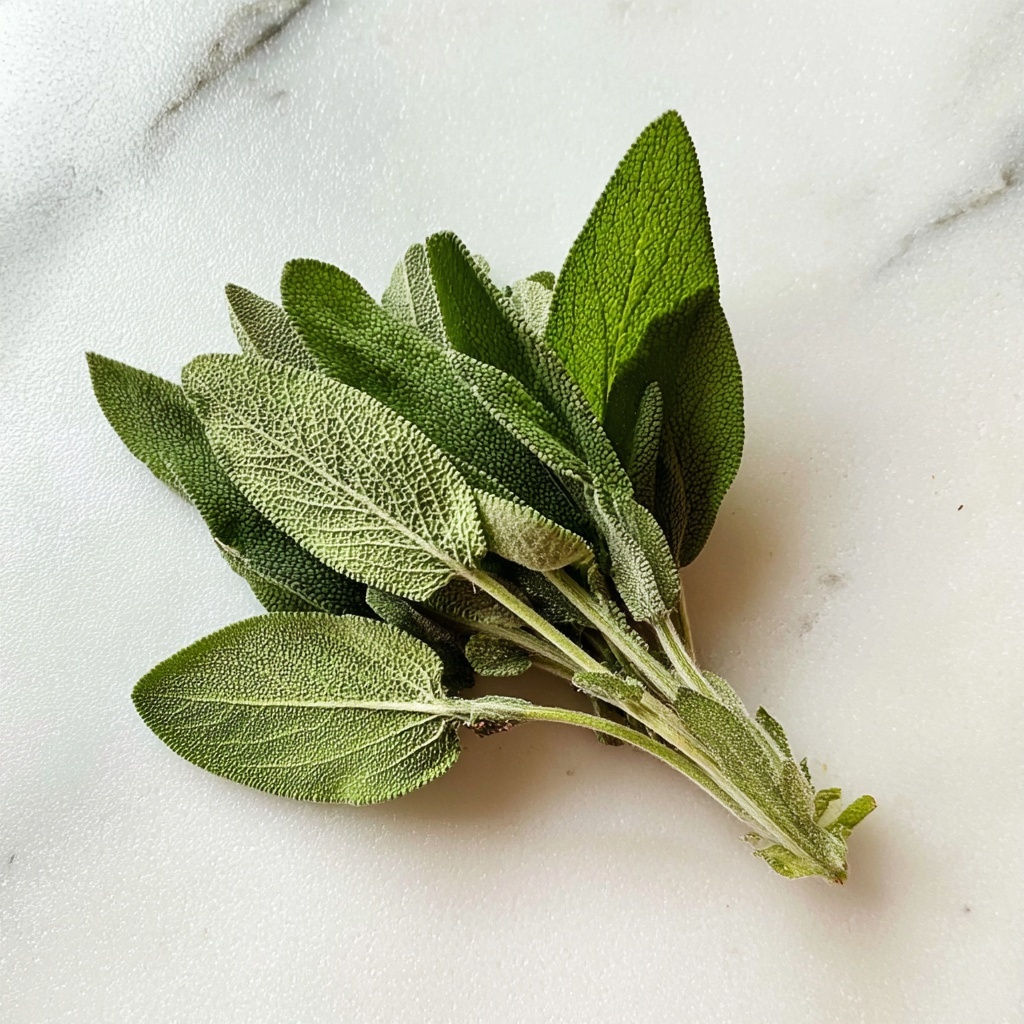
- 12 sage leaves: Fresh and vibrant, these leaves bring that signature earthy aroma and crisp beautifully when fried.
How to Make Crispy Sage Leaves Recipe
Step 1: Heat the Oil and Fry the Sage Leaves
Start by heating the 1/2 cup of neutral oil in a medium frying pan over medium-high heat. It should be hot enough that the sage sizzles when you add it, but not smoking. Carefully place the 12 fresh sage leaves into the pan in a single layer. Fry them for one minute on one side, then flip and fry them for an additional one to two minutes. Watch closely as the leaves turn golden and crispy, releasing an irresistible aroma. This step is where the magic happens – the leaves’ surface crisps up while the oil draws out the sage’s deep, herbal flavor.
Step 2: Drain and Cool the Leaves
Once your sage leaves have reached a beautiful crisp, promptly remove them from the hot oil using tongs or a slotted spoon. Lay them on a paper towel-lined plate to soak up any excess oil. This careful draining keeps them light and crisp without being greasy. Let them cool for a few minutes; they will become even crunchier as they cool down.
Step 3: Use Whole or Crumble for Serving
At this point, your crispy sage leaves are ready to impress. You can serve them whole for a beautiful garnish or crumble them to sprinkle over dishes for a burst of texture and flavor. Both ways instantly add a special touch that’s surprisingly easy to achieve at home.
How to Serve Crispy Sage Leaves Recipe
Garnishes
Crispy sage leaves make a stunning garnish, adding both visual appeal and a crunch to dishes. Try placing a few whole leaves on top of creamy risottos, roasted vegetables, or even a hearty bowl of pasta. Their vibrant green color and crispy texture create contrast that elevates your plating effortlessly.
Side Dishes
Enhance your side dishes by mixing crumbled crispy sage leaves into mashed potatoes or sprinkling them over roasted butternut squash. The earthy bitterness of sage paired with the crispiness complements buttery and sweet flavors beautifully, turning ordinary sides into something memorable.
Creative Ways to Present
Get creative by incorporating crispy sage leaves into salads or even homemade flatbreads. You can also use them as crunchy toppings for soups or blend them into compound butters. Their versatility means you can keep experimenting until you find your favorite way to enjoy this delightful crispy treat.
Make Ahead and Storage
Storing Leftovers
If you happen to have leftovers, store the crispy sage leaves in an airtight container at room temperature. Avoid refrigeration as moisture can make them soggy and lose that perfect crunch. They should keep well for a day or two, ready to give your dishes a quick flavor upgrade.
Freezing
Freezing crispy sage leaves is generally not recommended because the ice crystals and thawing process tend to ruin their crispness. For best texture and flavor, it’s ideal to make this Crispy Sage Leaves Recipe fresh whenever you need it.
Reheating
If you want to freshen up refrigerated crispy sage leaves, a quick re-toast in a dry skillet over medium heat for about 30 seconds helps restore some crunch. Just be careful not to burn them, as sage tends to become bitter if overcooked.
FAQs
What oil is best for making crispy sage leaves?
Neutral oils like canola or safflower are perfect because they have a high smoke point and a mild flavor that does not overpower the fragrant sage.
Can I use dried sage leaves for this recipe?
Fresh sage leaves work best because they crisp up nicely without burning, while dried leaves tend to become brittle and can burn easily when fried.
How can I tell when the sage leaves are perfectly crispy?
They will turn a light golden green color and feel crisp to the touch without being brittle or browned. The aroma will also become stronger and more inviting.
Can I bake the sage leaves instead of frying?
Baking is possible but frying yields a superior crispness and flavor. If baking, use a low-temperature oven to prevent burning and check frequently.
Are crispy sage leaves healthy?
While fried in oil, sage itself is nutrient-rich and packed with antioxidants. Using neutral oil in moderation means you can enjoy the flavor without overdoing it on fat.
Final Thoughts
Sharing this Crispy Sage Leaves Recipe feels like passing along a culinary treasure that’s simple, fast, and deeply satisfying. Whether you use these crisp gems to garnish your favorite dishes or add them as a surprising element of texture, they will quickly become a staple in your kitchen. Give it a try and watch how this small touch can transform your cooking into something truly special! Enjoy every crunchy bite!