
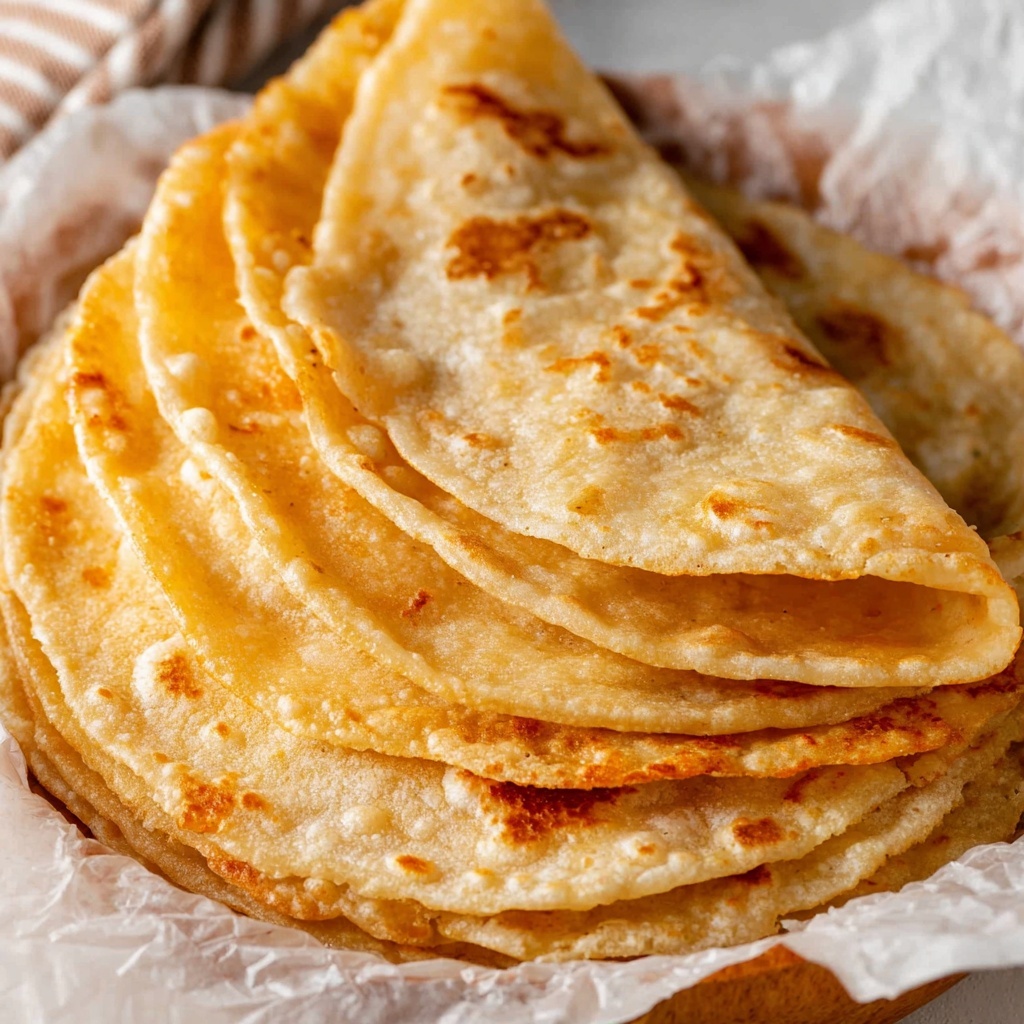
If you have ever fallen in love with the warm, soft, and buttery goodness of Indian flatbreads, then this Buttery Indian Roti (Indian Flatbread) Recipe is going to steal your heart. This recipe is a delightful celebration of simplicity and flavor, offering a tender, flexible bread that pairs perfectly with curries, dals, or just a smear of butter on its own. Imagine the satisfying feeling of tearing apart a freshly cooked roti, the buttery aroma inviting you to savor every bite. Whether you are a beginner in Indian cooking or a seasoned enthusiast, this recipe will guide you lovingly through the process of crafting roti that’s soft, tender, and brimming with authentic charm.
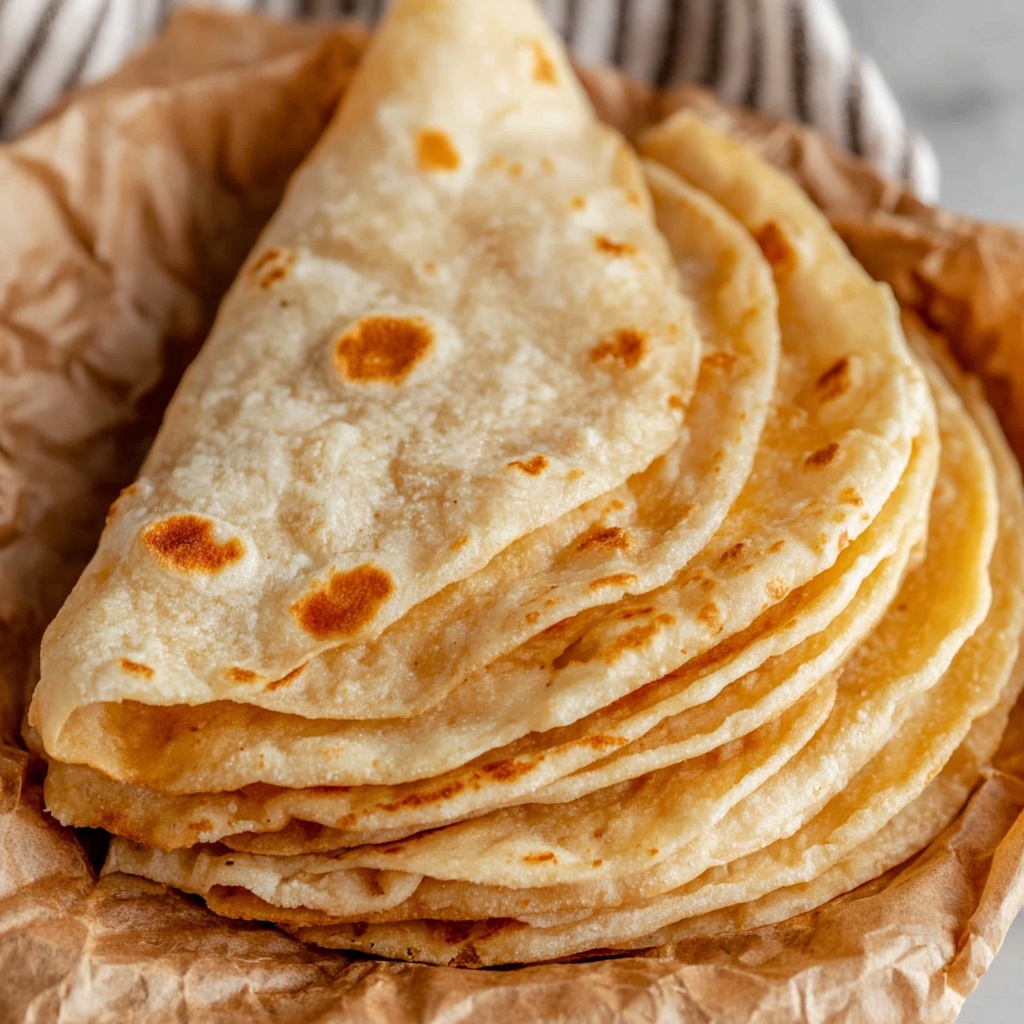
Ingredients You’ll Need
Creating perfect roti starts with a handful of humble ingredients that work together to give you that irresistible texture and rich flavor. Each element in this Buttery Indian Roti (Indian Flatbread) Recipe plays a crucial role, from the flour that forms the base to the butter that adds luscious softness and flavor.
- 2 cups bread flour (or all-purpose flour): This forms the structure of your roti, giving it strength and elasticity for perfect rolling and cooking.
- 1 teaspoon salt: Adds subtle depth to the dough, balancing the flavors beautifully.
- 2 tablespoons melted butter*: Mixed into the dough, this ensures tenderness and a slight richness right from the start.
- 2/3 cup warm water: The magic ingredient that brings the dough together and makes it pliable for rolling.
- 1/4 cup butter (for frying): More butter to cook your roti in, which creates those golden spots and infuses every bite with buttery goodness.
How to Make Buttery Indian Roti (Indian Flatbread) Recipe
Step 1: Prepare the Dough
Start by whisking together your flour and salt in a large bowl or stand mixer. Using a fork helps mix everything evenly. Then, add melted butter and mix until you get a crumbly texture with no lumps. This step is where the promise of softness begins, as the fat coats the flour, ensuring your roti won’t turn out tough.
Step 2: Add Water and Knead
Pour in the warm water gradually, mixing with your fork or dough hook until the dough begins to pull together. Then, knead it thoroughly for about eight minutes until it feels smooth and elastic. This kneading stage is where the dough develops the stretchiness crucial for rolling out ultra-thin, tender rotis.
Step 3: Let the Dough Rest
Shape the dough into a ball and cover it with a tea towel. Resting for at least 20 minutes allows the gluten to relax, making it considerably easier to roll the dough out. Though it won’t rise like yeast-based doughs, this rest period is key to achieving softness in your buttery Indian roti.
Step 4: Roll It Out
Divide your rested dough into six equal pieces, shaping each into a smooth ball. Lightly flour a clean work surface and roll each piece into an 8 to 9-inch thin circle. The secret is to keep the dough thin so the roti cooks quickly and becomes soft with those attractive little bubbles that make it so appealing.
Step 5: Cook the Roti
Heat a cast iron skillet or heavy pan over medium to medium-high heat and melt about a teaspoon of butter in it. Place one roti on the skillet and flip after about six seconds. Add more butter if needed to keep the roti soft and prevent sticking. Cook each side until lovely brown spots appear, which typically happens within 30 to 50 seconds per side. Adjust heat as needed to avoid burning.
Step 6: Steam for Softness
This final step is a game-changer in the Buttery Indian Roti (Indian Flatbread) Recipe — steaming your rotis inside a ziplock bag lined with paper towels locks in moisture and warmth, ensuring they stay soft, pliable, and ready to enjoy. You can also use a tortilla warmer if you have one for this step.
How to Serve Buttery Indian Roti (Indian Flatbread) Recipe
Garnishes
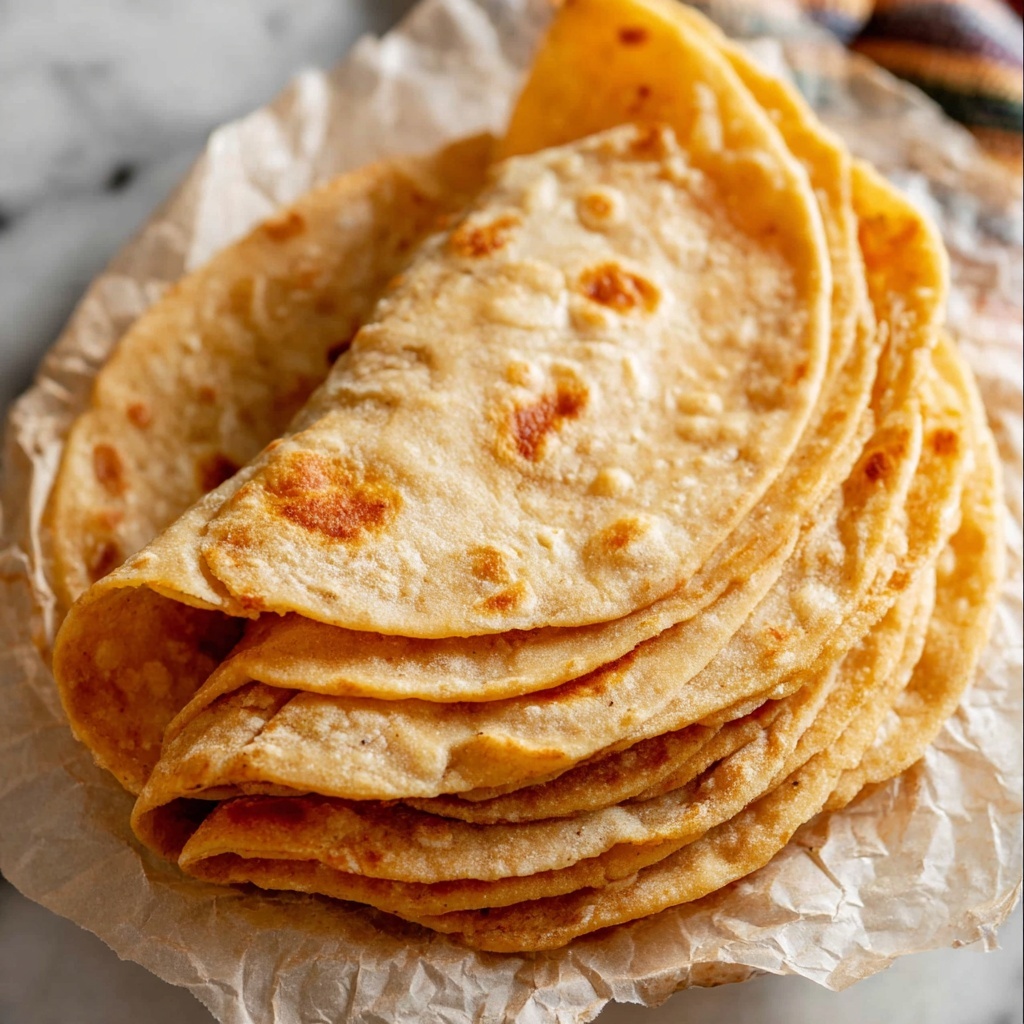
While roti itself is a star, sprinkling a little fresh chopped coriander or brushing some extra melted butter right before serving takes this Indian flatbread up a notch. You might also enjoy a sprinkle of chaat masala or a pinch of cracked black pepper for an added kick.
Side Dishes
Roti is the ultimate companion to classic Indian dishes. Serve it alongside rich butter chicken, hearty lentil dal, or spicy chana masala to soak up every bit of the flavorful gravy. You can also pair it with fresh vegetable sabzis or cooling raita for a well-rounded meal.
Creative Ways to Present
For a fun twist, use your buttery Indian roti as a wrap box for grilled meats or roasted vegetables, creating an easy-to-eat, hand-held meal. Alternatively, cut into strips and serve as dippers for chutneys or yogurt-based dips at parties — your guests will rave about how soft and buttery these rotis are!
Make Ahead and Storage
Storing Leftovers
If you have any leftover rotis, keep them fresh by storing in a ziplock bag lined with paper towels. The towels absorb excess moisture and prevent sogginess, so your roti stays soft for the next meal.
Freezing
For longer storage, freeze your roti layered between parchment paper to avoid sticking, and seal them in a freezer bag. This trick keeps them fresh and ready to enjoy weeks later whenever you crave that buttery Indian flatbread.
Reheating
Reheat thawed roti gently in the microwave or warm them on a hot skillet to revive their soft texture. You can also re-grill frozen roti straight from the freezer by following the same quick frying method, ensuring you get that perfect buttery finish every time.
FAQs
Can I use all-purpose flour instead of bread flour?
Absolutely! All-purpose flour works well in this Buttery Indian Roti (Indian Flatbread) Recipe and will still produce soft, tender roti. Bread flour gives a bit more chew, but both are delicious options.
Why is resting the dough important?
Resting allows the gluten to relax, making the dough easier to roll out without snapping back. It also contributes to the softness of the final roti, which is crucial for that melt-in-your-mouth feel.
What if I don’t have butter for frying?
Ghee or oil can be used as substitutions, but butter adds a unique richness and flavor that is signature to this recipe. If you want that authentic buttery roti, butter is the way to go!
How thin should I roll the roti?
Roll your dough disks as thin as you can, roughly 8 to 9 inches in diameter. Thin roti cooks quickly and results in tender bread with beautiful bubbles.
Can I make this recipe vegan?
You can substitute melted butter with vegan margarine inside the dough and use plant-based fats like coconut oil or vegan butter for frying. The texture may vary slightly but the roti will still be delicious.
Final Thoughts
There’s nothing quite like the joy of making your own soft, buttery roti right at home with this Buttery Indian Roti (Indian Flatbread) Recipe. It’s a humble bread that brings magic to any meal, offering warmth and comfort with each bite. I can’t wait for you to try it and experience firsthand how such a simple list of ingredients and steps creates something truly special. Your kitchen will fill with inviting aromas, and your table will be graced with golden, tender roti that everyone will adore!