
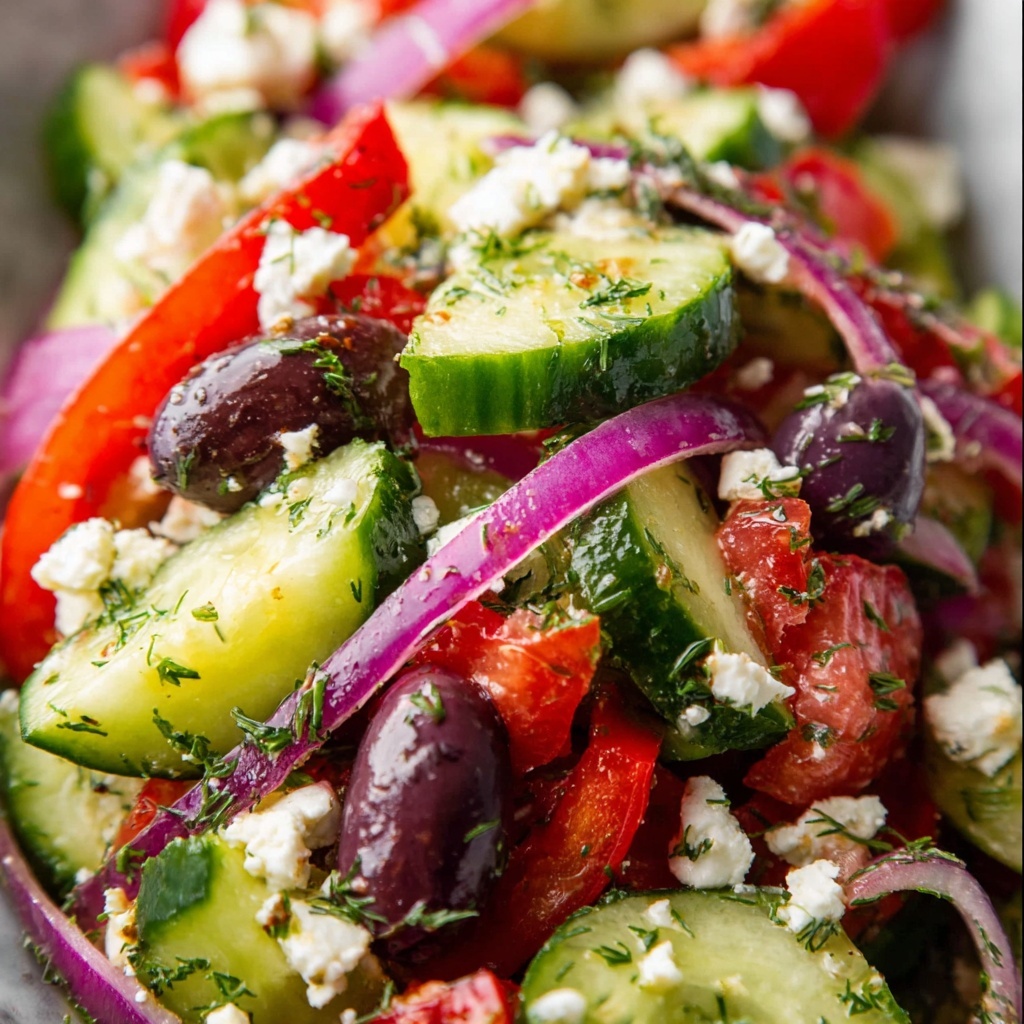
If you are craving a salad that bursts with vibrant flavors, delightful textures, and that unmistakable Mediterranean charm, look no further than the Best Greek Salad Recipe. This classic dish is a celebration of fresh vegetables, briny olives, fragrant herbs, and tangy feta cheese, all brought together by a perfectly balanced, homemade vinaigrette. Whether you want a light lunch, a colorful side, or a healthy starter for your dinner, this salad hits all the right notes with its crisp cucumber, juicy tomato, and a punch of red onion softened just enough to keep every bite exciting. It’s simple, yet so satisfying—a true staple that everyone should have in their cooking repertoire.
Ingredients You’ll Need
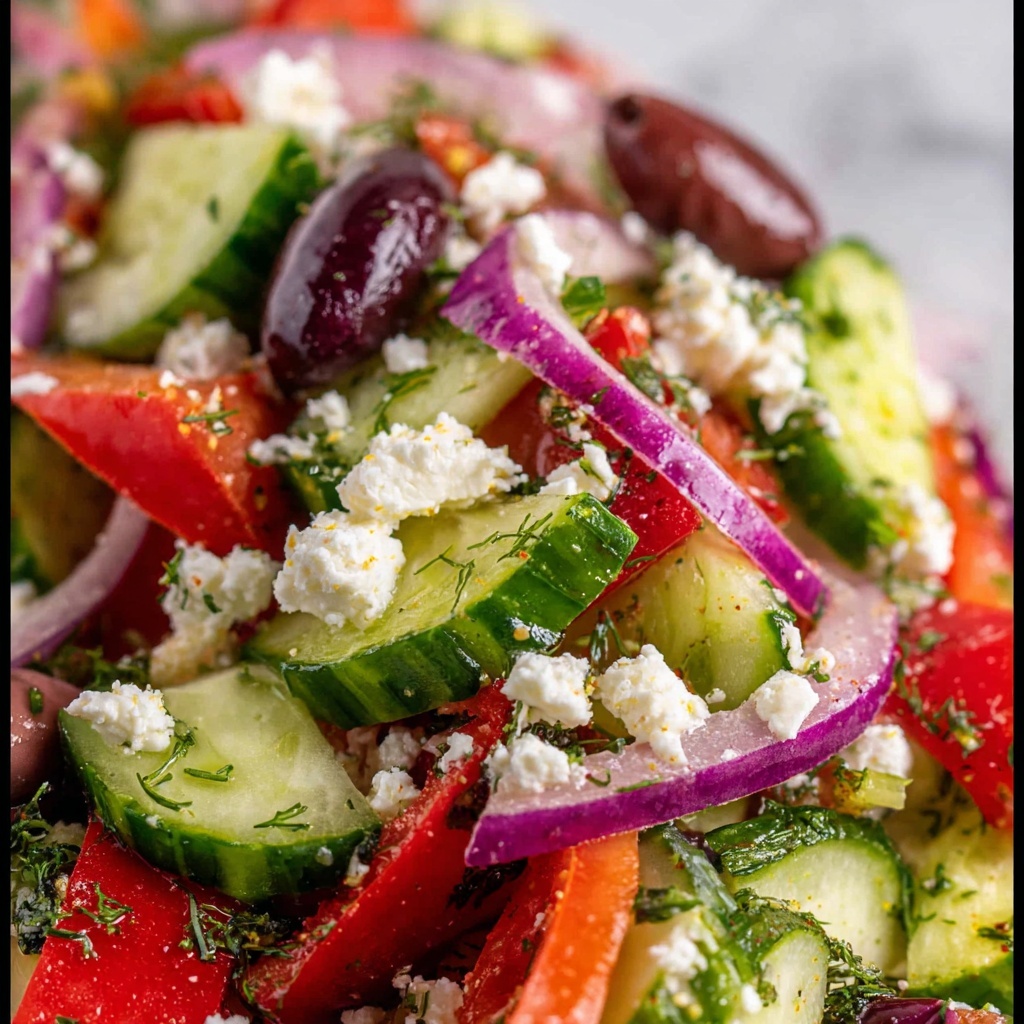
The beauty of the Best Greek Salad Recipe lies partly in its straightforward ingredients. Each one plays a vital role, contributing layers of texture, flavor, and that authentic Greek essence you’re chasing. Freshness and quality make all the difference here, so let’s walk through these essentials together.
- Red onion (1/4 large, sliced thin): Provides a sharp bite that balances the sweetness in the salad; soaking it in cold water mellows the flavor.
- Large tomatoes (4, chopped): Adds juicy sweetness and vibrant color; draining excess juice keeps the salad crisp and fresh.
- English cucumber (1 medium, chopped): Delivers a refreshing crunch and subtle coolness to the mix.
- Kalamata olives (1 cup): Brings that briny, salty punch that is signature to Greek salads.
- Fresh mint (1/4 cup, chopped): Adds a bright, herbal note that lifts and freshens every bite.
- Fresh dill (1/4 cup, chopped): Complements the salad with its slightly tangy, aromatic flavor.
- Feta cheese (1-2 cups, crumbled or chopped): Creamy and salty, feta ties the salad together perfectly—chunkier bits make it extra special.
- Red wine vinegar (3 1/2 tablespoons): Provides acidity that sharpens and balances the rich flavors.
- Garlic (2 small cloves, minced): Adds warmth and a gentle kick to the vinaigrette.
- Salt (1 teaspoon): Essential for enhancing and harmonizing all the ingredients.
- Pepper (1/4 teaspoon): Brings subtle heat and depth.
- Sugar (1 teaspoon): Balances the acidity and rounds out the dressing.
- Dried oregano (1 teaspoon): A classic herb that adds an unmistakable Mediterranean aroma.
- Olive oil (1/3 cup): The rich, fruity foundation of the vinaigrette that brings everything together smoothly.
How to Make Best Greek Salad Recipe
Step 1: Prepare the Vinaigrette
Start by combining your red wine vinegar, minced garlic, salt, pepper, sugar, and dried oregano in a large bowl. As you whisk constantly, slowly pour in the olive oil to create a lovely, emulsified dressing that will coat each vegetable with flavorful silkiness. Setting this aside lets the flavors meld beautifully in the background.
Step 2: Soften the Onions
Take those thinly sliced red onions and submerge them in cold water for about 10 minutes. This step is pure magic—it tempers the onion’s pungency without losing crunchy texture. If you adore bold onion flavors, feel free to skip this part and enjoy the sharpness fully!
Step 3: Prepare the Tomatoes
Chop your tomatoes into bite-size chunks and place them in a colander over the sink. Letting them drain for a few minutes prevents the salad from becoming soggy, keeping each forkful fresh and crisp.
Step 4: Combine the Fresh Ingredients
Add the chopped cucumber, Kalamata olives, fresh mint, and dill directly into the bowl with your vinaigrette. This is where the salad really starts to come alive, as the dressing gently seeps into these fresh components, coating every piece with flavor.
Step 5: Add Onions and Tomatoes
Drain the onions and give them a quick pat dry with a paper towel before adding to the bowl. Follow with the tomatoes, carefully folding everything together to avoid bruising the delicate veggies. This ensures that each bite is balanced and refreshing.
Step 6: Top with Feta and Final Seasoning
Crowning your salad with a generous amount of crumbled or chunked feta cheese is the final touch that elevates this recipe. Don’t be shy here—the creaminess and saltiness of feta is what makes the Best Greek Salad Recipe truly irresistible. Give the salad one last gentle toss, taste for seasoning, and serve immediately!
How to Serve Best Greek Salad Recipe
Garnishes
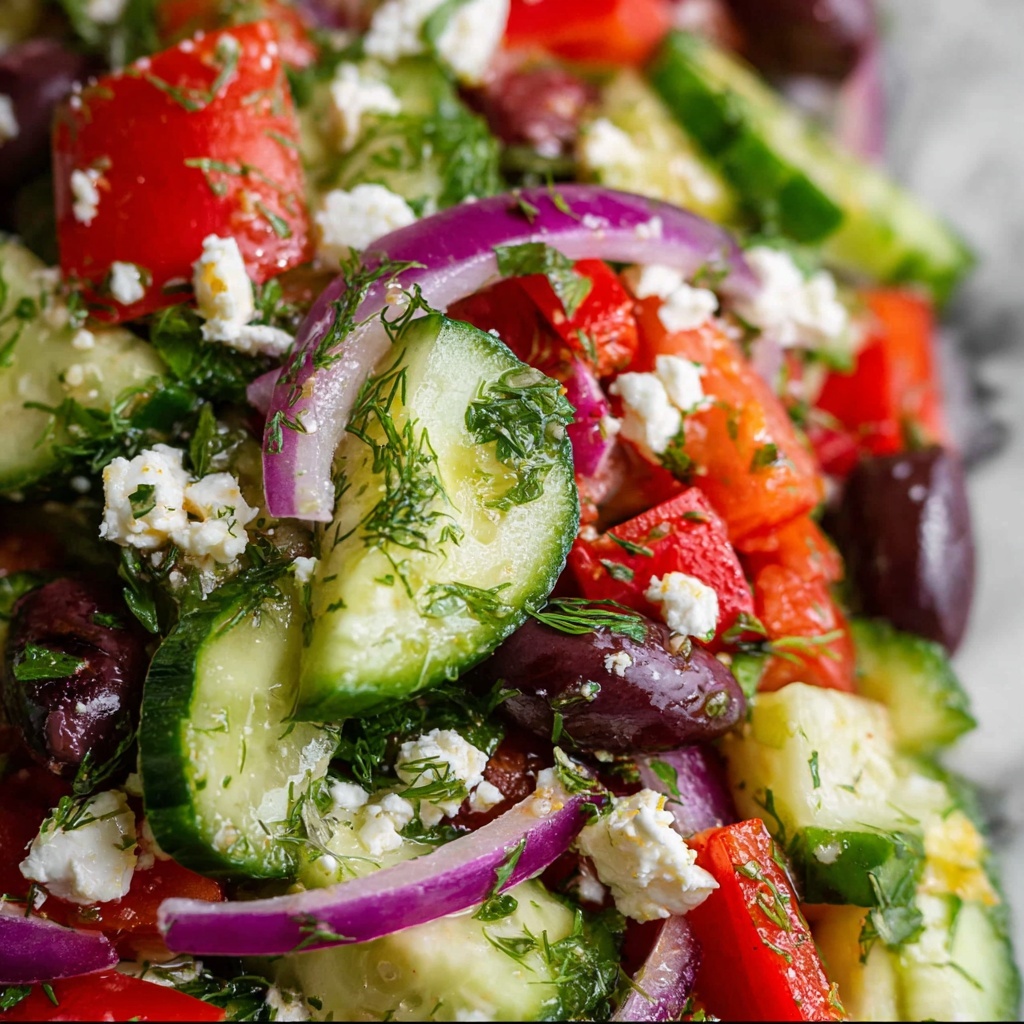
For an authentic final flair, sprinkle a few extra Kalamata olives or some fresh oregano leaves on top. A drizzle of good quality extra virgin olive oil just before serving adds shine and depth. You might also add a few lemon wedges on the side for guests who like an extra citrus twist.
Side Dishes
This salad pairs wonderfully with grilled meats, especially lamb or chicken souvlaki, and crusty bread. It also makes a perfect companion to seafood dishes or a simple mezze spread. Its freshness contrasts rich, smoky flavors, making your meal feel vibrant and balanced.
Creative Ways to Present
Serve the Best Greek Salad Recipe in a rustic wooden bowl or on a large platter to showcase its colorful ingredients. For a fun twist, use individual glass bowls or cups for portioned servings at parties. Layering the salad in a mason jar with dressing at the bottom and feta on top can be a stylish grab-and-go lunch idea.
Make Ahead and Storage
Storing Leftovers
Best to keep your salad in an airtight container in the refrigerator if you have leftovers. Dressings and veggies can sit together briefly, but the salad is freshest when eaten within 1 to 2 days. To avoid sogginess, consider storing the feta separately and adding it just before serving.
Freezing
This salad does not freeze well because of its fresh vegetables and soft cheese. Freezing will compromise the texture and flavor, so it’s best enjoyed fresh and never frozen for maximum quality.
Reheating
Since this is a cold salad meant to highlight crisp, fresh ingredients, reheating is not recommended. Enjoy it chilled for the best experience and vibrant taste.
FAQs
Can I use other types of cheese instead of feta?
While feta is the traditional choice that defines the flavor profile, you can experiment with similar crumbly cheeses like goat cheese or queso fresco if you prefer a milder, creamier option. Just keep in mind that the tanginess of feta really completes the Best Greek Salad Recipe.
How do I make the salad less salty?
If you find the kalamata olives or feta too salty, try rinsing the olives under cold water before adding them, and use the feta sparingly. Also, adjusting the salt in the vinaigrette accordingly can help maintain balance.
Is this salad gluten-free and vegetarian?
Yes! The Best Greek Salad Recipe is naturally gluten-free and vegetarian, making it a great choice for many dietary needs. It’s wholesome and packed with nutrients.
Can I add other vegetables to this salad?
Feel free to get creative by adding bell peppers, radishes, or even artichoke hearts, but remember that simplicity is part of this salad’s charm. Each additional ingredient alters the traditional taste, so add slowly and taste as you go.
What type of olive oil should I use?
Choosing a good-quality extra virgin olive oil is key for the best flavor. It should be fresh, fruity, and peppery to complement the acidity of the vinegar and bring harmony to the dressing in this Best Greek Salad Recipe.
Final Thoughts
This Best Greek Salad Recipe is one of those dishes that never gets old because it captures the heart and soul of Greek cuisine with every crunchy, juicy, and tangy bite. It’s quick to make, uses ingredients you can find in any market, and delivers incredible freshness that brightens any meal. I absolutely encourage you to give it a try—you might just find it becoming your go-to salad for sunny days, relaxed dinners, or whenever you want a little Mediterranean magic on your plate!