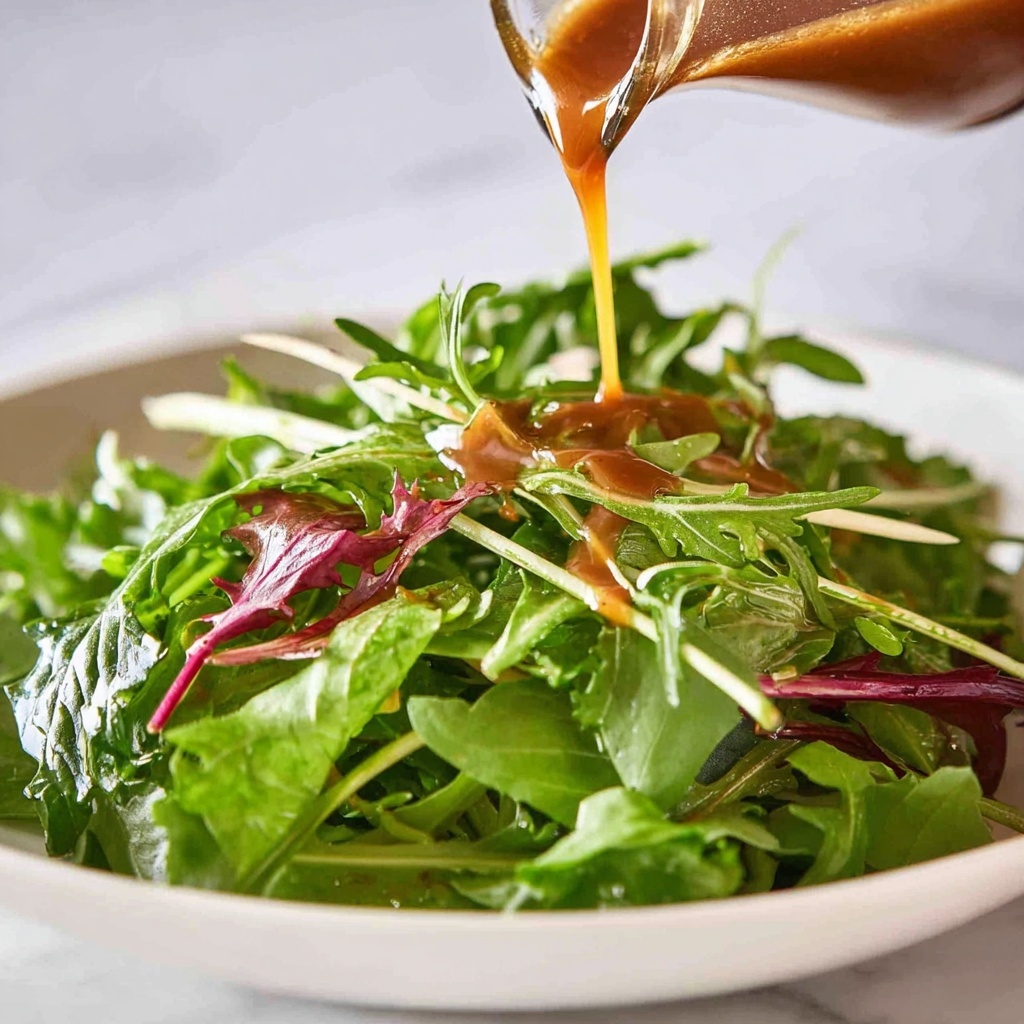
If there is one dressing that can instantly elevate a simple salad or add a burst of flavor to roasted veggies, it has to be the Balsamic Vinegar Dressing Recipe. This classic vinaigrette is a delightful balance of tangy, slightly sweet, and rich olive oil goodness, creating a perfect harmony in every drop. Whether you drizzle it over mixed greens or use it as a marinade, this dressing brings freshness and depth to your dishes with minimal effort and maximum charm.
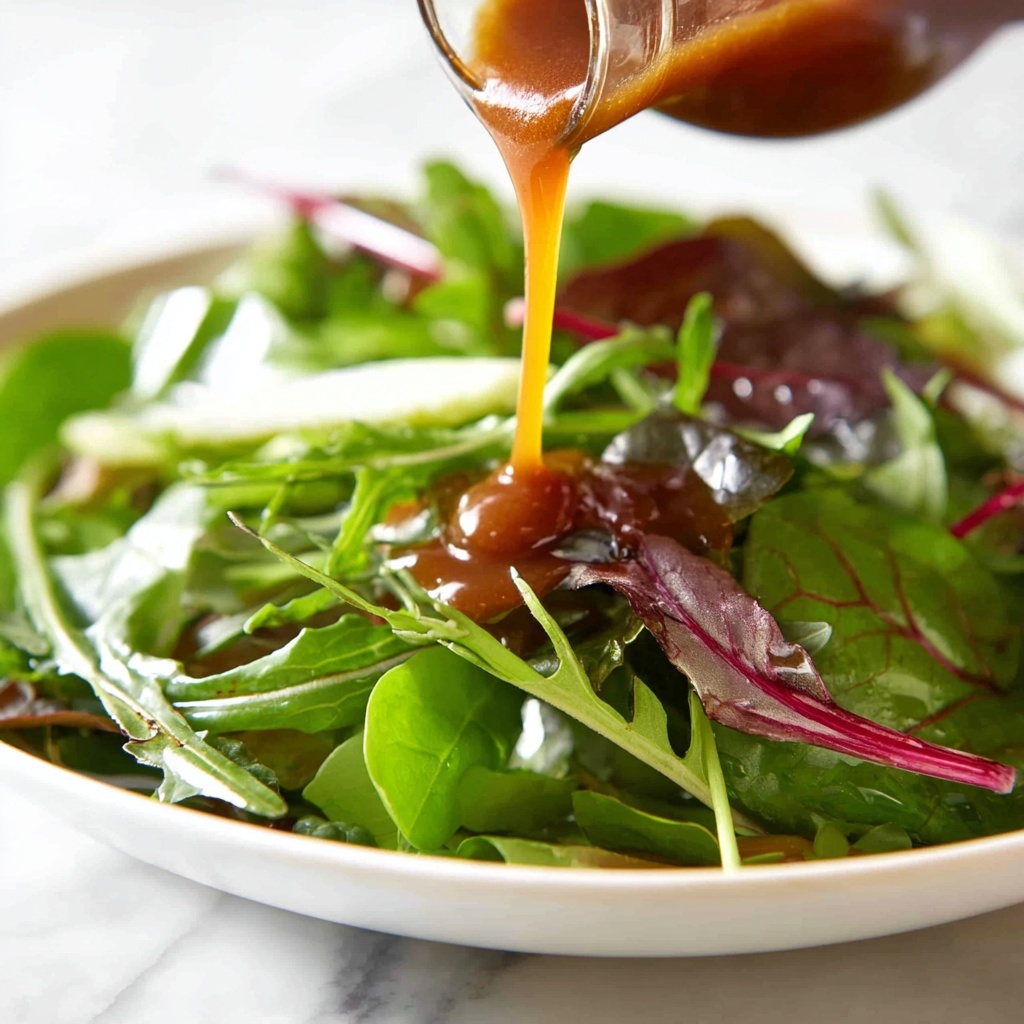
Ingredients You’ll Need
This Balsamic Vinegar Dressing Recipe is wonderfully straightforward, relying on a few essential ingredients that work together beautifully to deliver fantastic flavor and texture. Each ingredient is chosen to complement the others, making this dressing vibrant, smooth, and incredibly versatile.
- 1/4 cup balsamic vinegar: Use ordinary balsamic vinegar (not caramelized or syrupy) for authentic tanginess.
- 3/4 cup extra virgin olive oil: Choose a fresh, high-quality olive oil to create a rich and silky texture; adjust quantity if you prefer a sharper taste.
- Salt and pepper to taste: Basic seasoning to enhance the natural flavors and balance acidity.
- 1 tbsp balsamic vinegar (additional): Adds a subtle boost of flavor depth.
- 3 tbsp extra virgin olive oil (additional): Helps achieve the perfect consistency and mouthfeel.
- Honey or sugar, to taste: Adds a touch of sweetness that mellows the vinegar’s sharpness and rounds out the dressing beautifully.
How to Make Balsamic Vinegar Dressing Recipe
Step 1: Combine the Ingredients
Start by placing all your measured ingredients into a clean jar or a small bowl if you prefer whisking. The combination of balsamic vinegar, extra virgin olive oil, salt, pepper, and a hint of honey or sugar sets the foundation for a well-balanced dressing packed with flavor.
Step 2: Shake or Whisk Well
Seal the jar tightly and give it a good vigorous shake until all the ingredients are fully emulsified into a smooth and slightly thickened dressing. If making in a bowl, whisk energetically until the oil and vinegar marry perfectly. Adjust seasoning with salt and pepper to suit your taste—it’s all about finding that personalized zing you love!
Step 3: Taste and Adjust
Taste your dressing and decide if you want it more tangy or sweet. Adding a little extra honey or sugar balances the acidity, while an additional splash of oil smooths out sharper notes. This step lets you fine-tune the dressing exactly how you like it, making this Balsamic Vinegar Dressing Recipe truly your own.
How to Serve Balsamic Vinegar Dressing Recipe
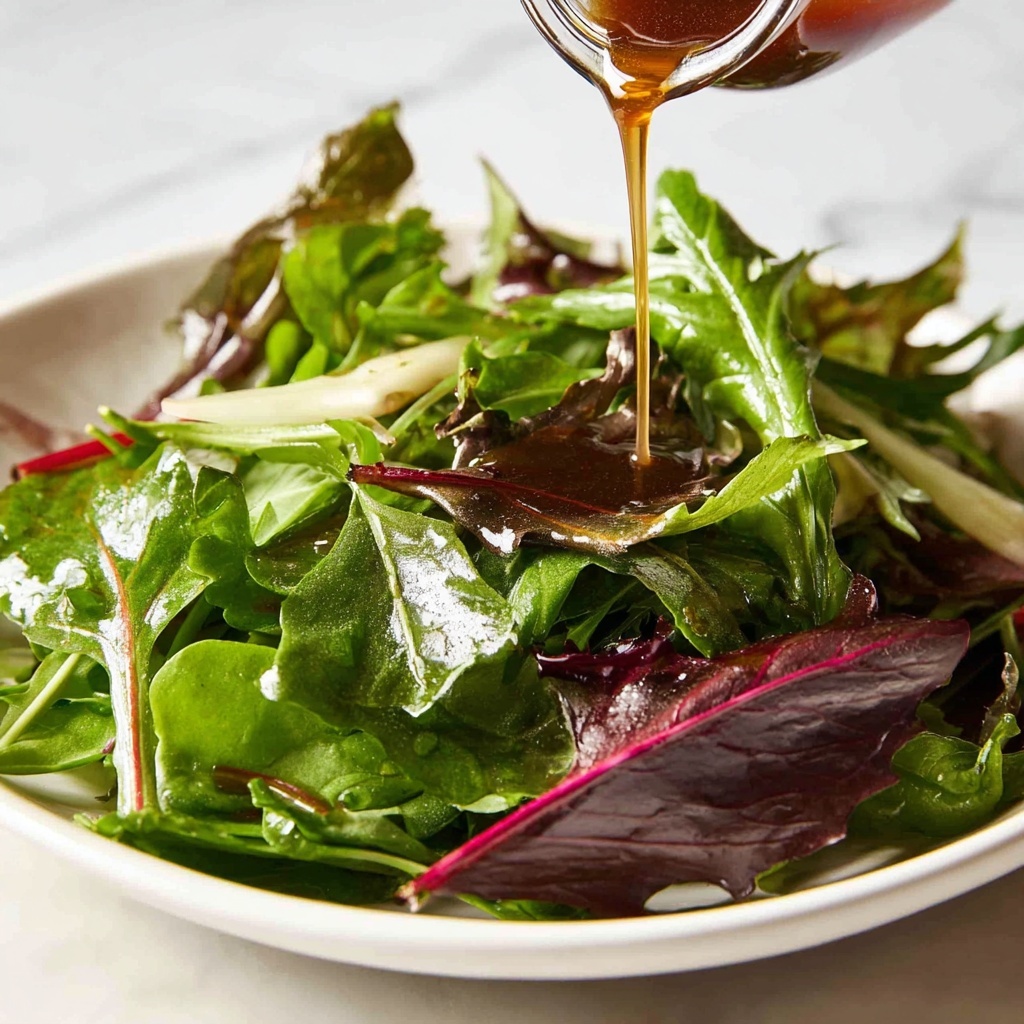
Garnishes
A simple drizzle of this dressing over fresh herbs like basil or parsley can enhance both fragrance and appearance. Sprinkle some freshly cracked black pepper or finely grated parmesan on top after dressing your dish for a lovely textured finish.
Side Dishes
The dressing pairs beautifully with crisp green salads, grilled vegetables such as asparagus or zucchini, and even as a topping on hearty grain bowls. It’s fantastic drizzled over warm roasted potatoes or vibrant tomato salad, giving a fresh, tangy contrast.
Creative Ways to Present
Try serving the balsamic dressing as a dip for crusty bread alongside olives and cheese for a quick appetizer. You can also use it as a marinade for chicken or tofu before grilling to infuse a subtle sweet and tangy flavor. The possibilities are delightfully endless when you have this dressing on hand.
Make Ahead and Storage
Storing Leftovers
This dressing keeps wonderfully for up to 3 weeks at room temperature if your kitchen isn’t too warm. If it’s hot where you live, pop it into the fridge to preserve freshness. Be sure to shake well before each use, as natural separation may occur.
Freezing
Freezing is not recommended for balsamic vinaigrettes because olive oil can change texture and become cloudy when frozen, which affects the dressing’s smoothness and flavor quality.
Reheating
No reheating is necessary or advised; simply bring the dressing back to room temperature if refrigerated, then shake well to restore its emulsified texture. Enjoy it freshly made or stored with equal delight!
FAQs
Can I use flavored balsamic vinegar in this Balsamic Vinegar Dressing Recipe?
While flavored balsamic vinegars can be interesting, it’s best to stick with regular balsamic vinegar here to maintain the classic balance of flavor without overpowering the other ingredients.
Is there a substitute for honey or sugar?
Absolutely! Maple syrup or agave nectar works well as natural sweeteners. Adjust the amount to your taste to keep that perfect balance between sweet and tangy.
Can I use a different type of oil?
Extra virgin olive oil is preferred for its fruity and robust flavor, but if you want a lighter taste, you can use avocado oil or a mild vegetable oil. Just be aware the flavor profile will be a bit different.
How do I make the dressing less sharp?
Add a bit more olive oil or increase the sweetener slightly. Both help mellow the acidity of the vinegar, making the dressing smoother on the palate.
Can I use this dressing on cooked dishes?
Yes! It works beautifully as a finishing drizzle on roasted vegetables, grilled meats, or even warm pasta to add a fresh, tangy lift to cooked meals.
Final Thoughts
There’s something truly satisfying about having a reliable, delicious, and easy-to-make Balsamic Vinegar Dressing Recipe at your fingertips. It brightens dishes, enhances flavors, and brings a homemade charm that’s hard to beat. I encourage you to whip up this dressing and let it inspire your meals every day—it’s a little jar of magic waiting to be discovered.