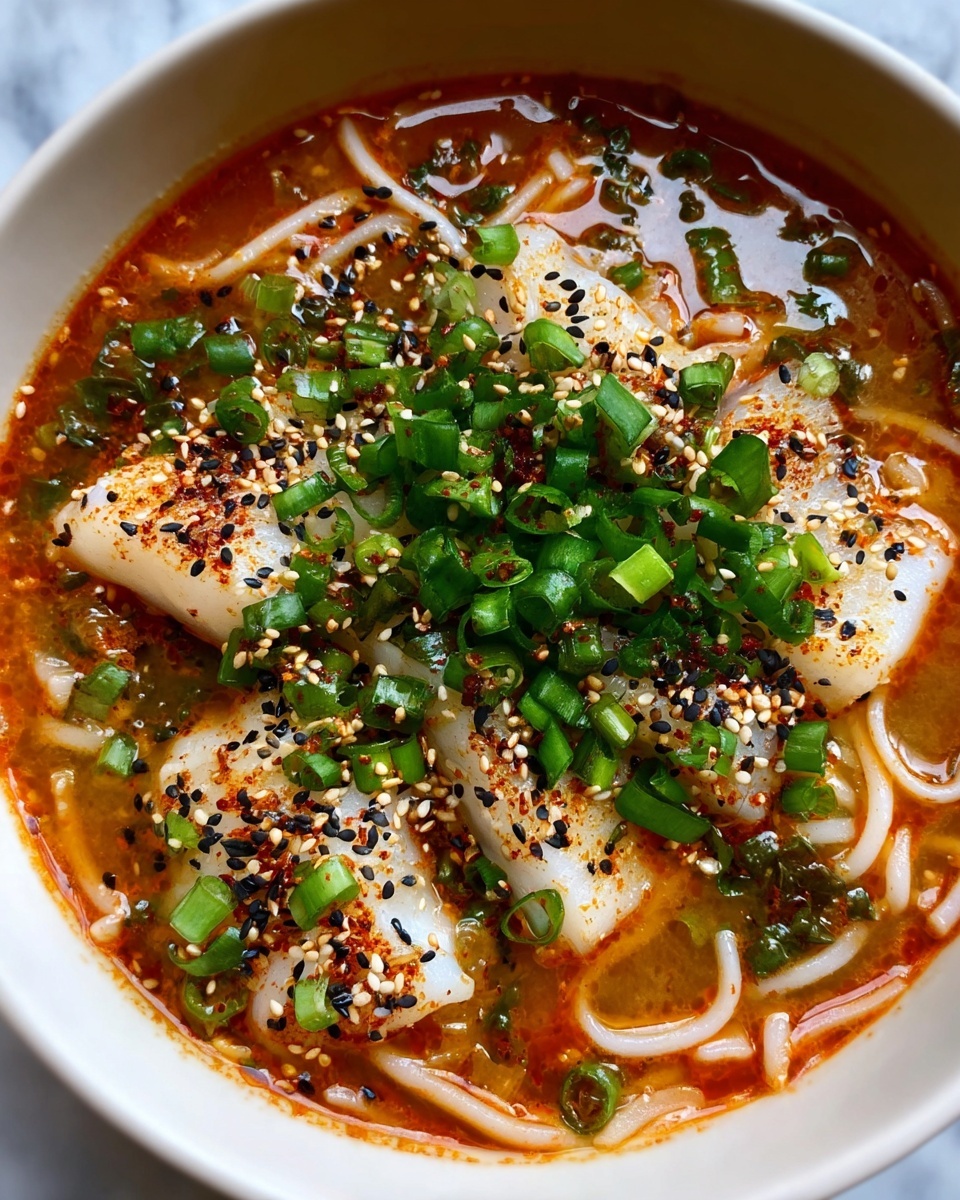
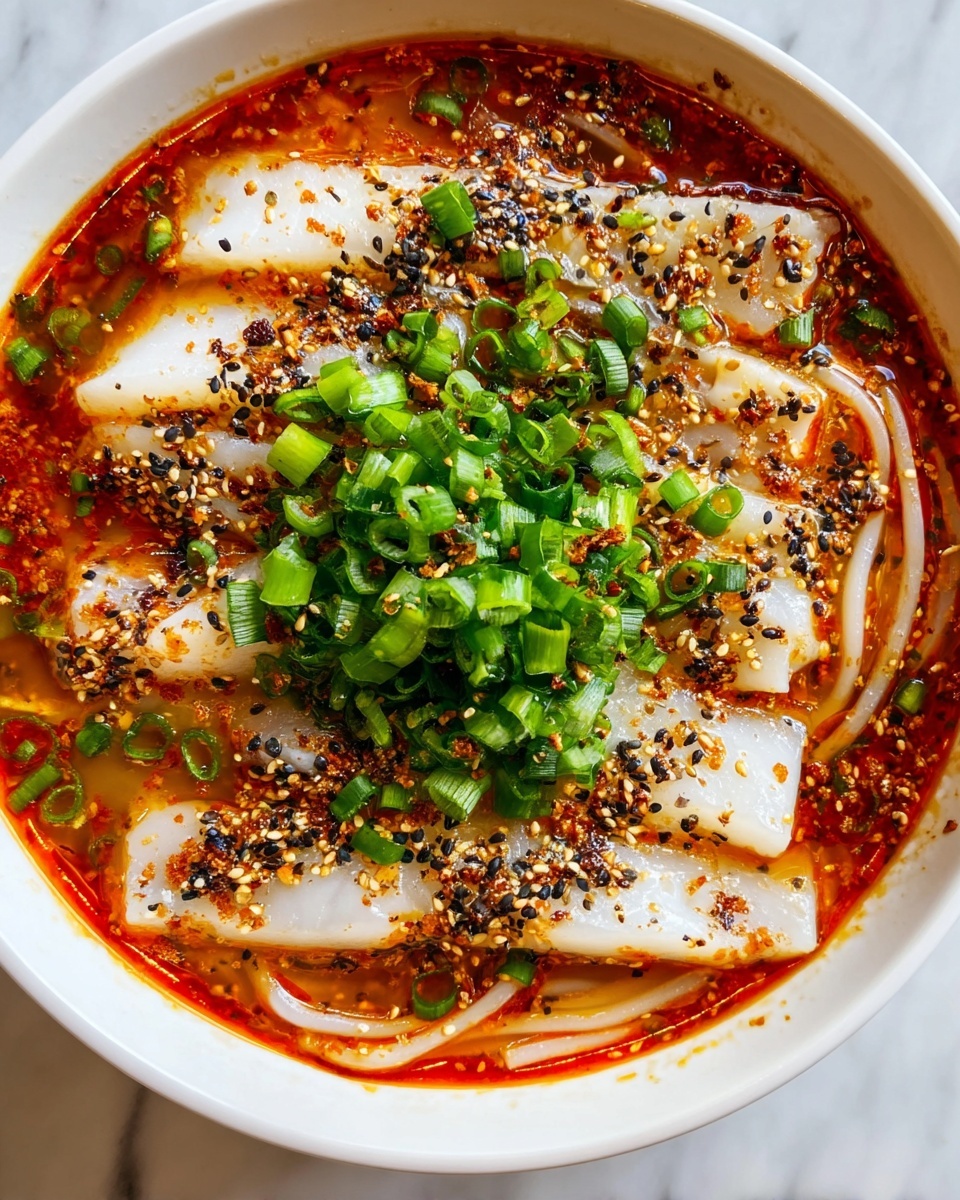
If you crave a bowl of comfort that feels both indulgent and vibrant, this Creamy Gochujang Udon Soup with Fresh Fish Recipe is exactly what your kitchen needs. Imagine silky udon noodles enveloped in a luscious coconut milk broth, perfectly balanced with the chili kick of gochujang and the delicate succulence of fresh fish. This dish isn’t just a meal; it’s an experience—a warming hug in a bowl that brings together creamy, spicy, and savory notes in the most delightful way.
Ingredients You’ll Need
These ingredients might seem straightforward, but each plays a critical role in building the deep, layered flavors and comforting textures of this soup. From the richness of coconut milk to the unique spice of gochujang, these staples come together beautifully.
- 200 grams Udon Noodles: Soft, chewy noodles that hold onto the broth’s creaminess perfectly.
- 2 tablespoons Gochujang: The star of the show—a Korean chili paste delivering spicy, savory sweetness.
- 400 ml Coconut Milk: Full-fat coconut milk adds irresistible creaminess and a subtle sweetness.
- 300 grams Fresh Fish: Choose skinless, boneless fillets for tender bites that soak up the broth.
- 500 ml Vegetable Broth: Low-sodium broth provides a gentle base allowing other flavors to shine.
- 2 cloves Garlic: Minced garlic infuses the broth with warm, aromatic depth.
- 1 inch Ginger: Freshly grated ginger adds a bright, zesty kick.
- 1 handful Green Onions: Chopped for a fresh, crisp garnish to brighten each spoonful.
- 1 tablespoon Sesame Oil: Drizzled at the end for a nutty aroma that elevates the whole dish.
How to Make Creamy Gochujang Udon Soup with Fresh Fish Recipe
Step 1: Prepare the Udon Noodles
Start by cooking your udon noodles according to the package instructions. This step is a breeze but crucial—overcooked noodles lose their inviting chewiness that makes this soup so satisfying. Once cooked, drain them and set them aside so they’re ready to soak up the luscious broth later.
Step 2: Build Your Flavor Base
In a large pot over medium heat, add a splash of vegetable broth. Toss in the minced garlic and freshly grated ginger, sautéing them for about 1 to 2 minutes until the kitchen smells absolutely irresistible. These aromatics infuse the broth with warmth and a little zing, creating a perfect foundation for your soup.
Step 3: Add Broth and Coconut Milk
Pour in the remaining vegetable broth followed by the creamy coconut milk. Stir everything gently to marry the flavors. The coconut milk’s richness balances the spice you’re about to add and gives the soup that signature creamy body everyone loves.
Step 4: Whisk in the Gochujang
Now for the exciting part: add the gochujang and whisk it into the simmering broth. This fiery chili paste dissolves beautifully, tinting the soup a warm reddish hue while delivering a mild heat with sweet undertones. Adjust the quantity if you want it spicier or milder—this soup loves your personal touch.
Step 5: Cook the Fresh Fish
Gently slide your fresh fish fillets into the pot, letting them cook in the flavorful broth for 5 to 7 minutes. You’ll know they’re ready when the flesh turns opaque and flakes easily with a fork. Cooking the fish directly in the broth helps it absorb the wonderful spicy-creamy flavors throughout.
Step 6: Adjust and Season to Taste
Before plating, give your broth a taste test. Depending on your vegetable broth’s saltiness, you might want to add a little seasoning. This step ensures every spoonful is perfectly balanced, comforting, and bursting with flavor.
Step 7: Assemble Your Soup Bowls
Divide the tender udon noodles into your serving bowls. Then, ladle the fragrant, creamy broth and pieces of fresh fish over the noodles, creating a heavenly combination that practically calls you to dive in.
Step 8: Garnish with Green Onions and Sesame Oil
Top each bowl with a generous sprinkle of chopped green onions and finish with a drizzle of sesame oil. These final touches bring fresh vibrancy and a subtly toasted nuttiness that lift the soup to another level.
Step 9: Enjoy Immediately
Serve your Creamy Gochujang Udon Soup with Fresh Fish Recipe piping hot and savor the comforting blend of creamy, spicy, and savory flavors dancing on your palate. This bowl is meant for moments where you want to feel cozy, nourished, and just a little bit spoiled.
How to Serve Creamy Gochujang Udon Soup with Fresh Fish Recipe
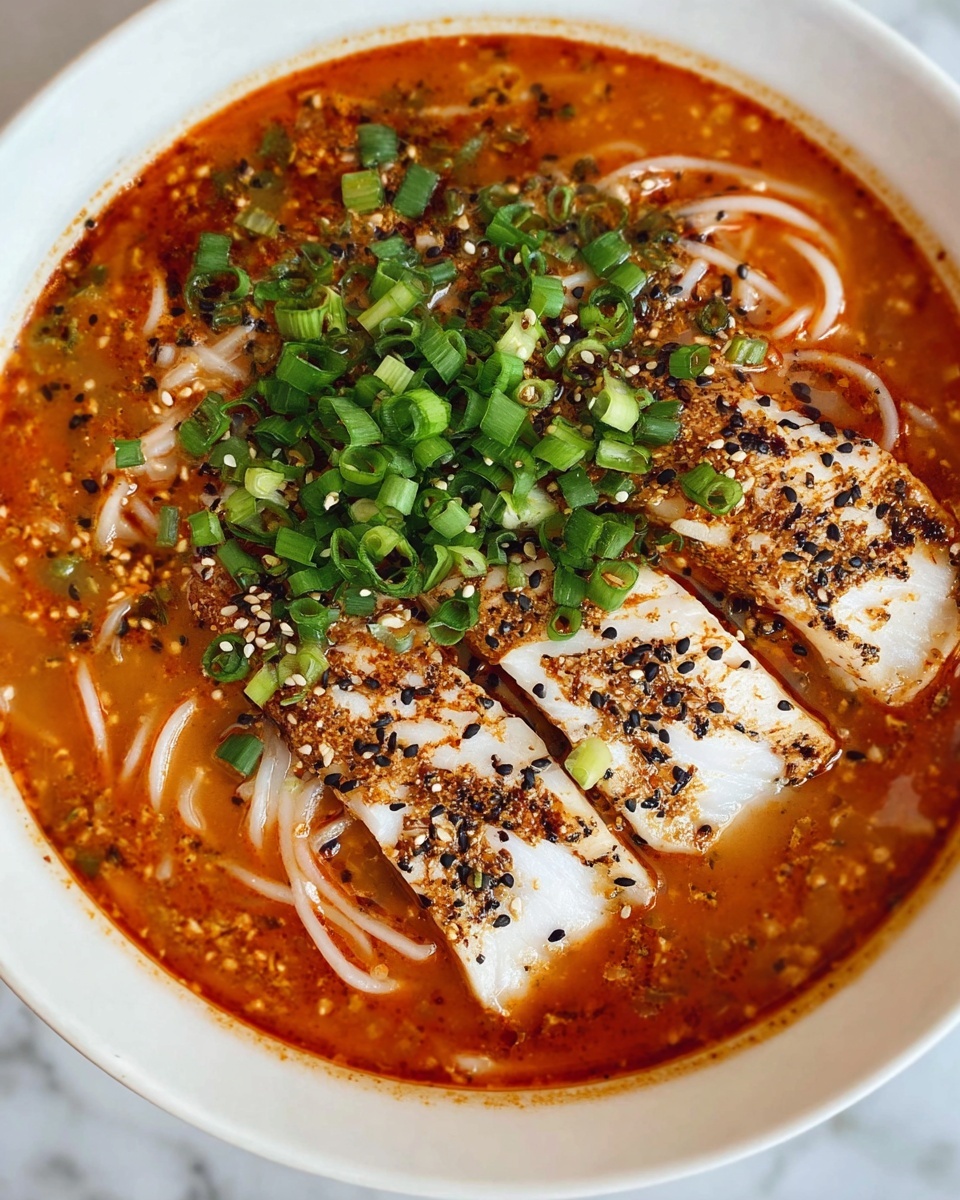
Garnishes
Garnishes are the little extras that add flair and texture. Green onions are classic and essential, offering that perfect pop of fresh crunch. You might also sprinkle toasted sesame seeds for an extra nutty aroma or add thin slices of red chili if you want an additional heat boost. These simple toppings brighten and complete the soup visually and taste-wise.
Side Dishes
This soup stands beautifully on its own, but if you want to round out your meal, consider light sides like a crisp cucumber salad, pickled vegetables, or steamed edamame. These sides complement the soup’s creaminess with freshness or slight acidity, making the meal feel thoughtfully balanced without overwhelming the palate.
Creative Ways to Present
For a dinner party or special occasion, serve your soup in deep ceramic bowls or rustic earthenware to keep it warm longer and enhance the cozy vibe. Pair with wooden chopsticks and a ceramic soup spoon for authenticity. You might even float a few edible flowers or microgreens on top to surprise and delight your guests with a beautiful presentation.
Make Ahead and Storage
Storing Leftovers
If you have any leftovers, transfer them to an airtight container and refrigerate for up to 2 days. Just be aware that the noodles may absorb some broth overnight, so it’s best to store the broth and noodles separately when possible for maximum freshness.
Freezing
This soup doesn’t freeze as well due to the noodles and coconut milk, which can separate. If you must freeze, focus on freezing the broth and fish separately, then add freshly cooked noodles when reheating.
Reheating
To reheat, warm the broth gently on the stove to avoid curdling the coconut milk. Add the noodles at the last minute so they don’t get mushy, and give the soup a quick stir with a splash of water or broth if it has thickened too much.
FAQs
Can I use frozen fish instead of fresh?
Absolutely! While fresh fish offers the best texture and flavor, frozen fillets work well too. Just be sure to thaw them fully before cooking to ensure even cooking and avoid excess water in the broth.
Is this recipe very spicy?
The spiciness depends on how much gochujang you add. Two tablespoons typically create a gentle, approachable heat, but feel free to scale it up or down according to your taste. You can always add a little more at the end if you want a kick.
Can I substitute coconut milk with dairy cream?
You can, but coconut milk gives this soup its subtle sweetness and tropical creaminess that dairy can’t replicate. For a dairy version, heavy cream works, but expect a different flavor profile that’s richer and less nuanced.
Which types of fish work best?
White, flaky fish like cod, haddock, or tilapia are excellent choices here. They cook quickly and absorb the broth’s flavors nicely without becoming too dense or oily.
Can I make this vegetarian or vegan?
To make a vegetarian or vegan version, simply omit the fish and add extra veggies like mushrooms, tofu, or bok choy. Use vegetable broth, and be sure to keep the gochujang as it’s traditionally vegan, making the soup just as flavorful and hearty.
Final Thoughts
There’s something truly special about a bowl of Creamy Gochujang Udon Soup with Fresh Fish Recipe that brings warmth and joy with every spoonful. Whether you’re cooking for yourself on a cozy night or treating friends at a weekend dinner, this recipe promises comfort and excitement all at once. Dive in, savor every bite, and let this delightful soup become a cherished favorite in your recipe collection.